Mont Tremblant National Park

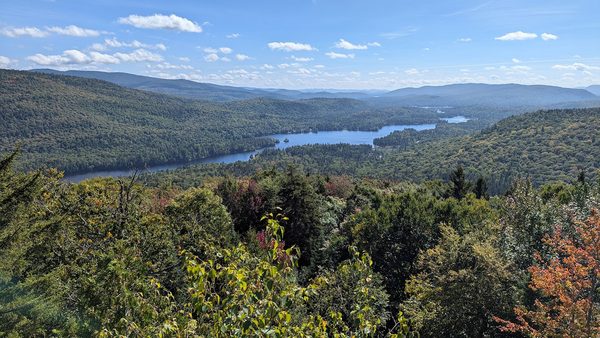
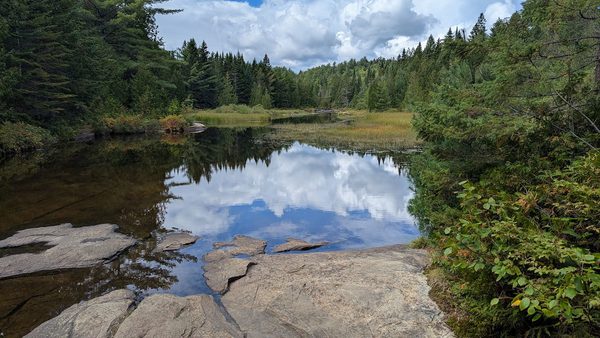
Mont Tremblant National Park is the oldest national park* in Quebec, the 3rd oldest in Canada and the 6th oldest in North America. Created in 1895 as Parc de la Montagne-Tremblante, its original purpose was to ‘conserve’ this beautiful area within the Laurentian Mountains, meaning manage reasonable use of resources like logging, which had been underway since the 1850’s. (This is as opposed to newer national parks’ definition of conservation which is to protect park resources from exploitation.) As a park employee described to us, all of the lakes were flooded in the spring to allow logs cut during the winter to be floated down long chains of lakes to the larger rivers to feed the lumber and pulp mills downstream. This form of logging was destructive to river ecosystems. That, along with the development of modern logging trucks, skidders and rail transport ended the log drives in the 1980’s. The area became officially Mont Tremblant National Park in 2001 with conservation (new definition) as its central focus.

Continue reading “Mont Tremblant National Park”
Jacques Cartier National Park

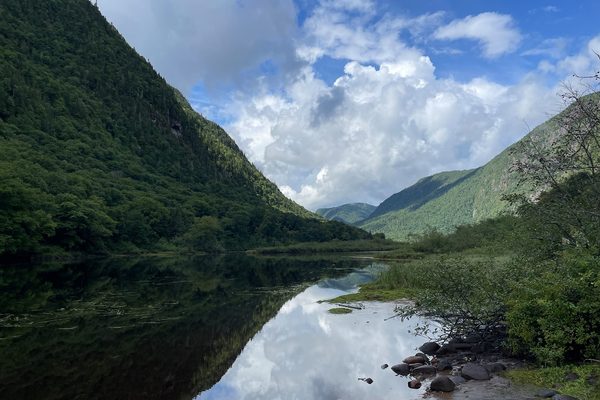
Jacques Cartier National Park was created in 1981. Like other national parks around the world, its raison d’être (we’re in Quebec…) was to protect the natural resources of the region while balancing access and recreation. Although the entirety of the river is over 160 km/100 mi long, the area protected by the national park features a 54-km /34-mi stretch of a magnificent glacial gorge that is 550 m /1,800 feet deep. Water sports – canoeing, kayaking, tubing, and fishing – are top of mind at Jacques Cartier. There are also 100 km/ 62 mi of hiking trails throughout the park.

We’ve been confused before about national parks in Canada, particularly in the province of Quebec, because all but 2 of the national parks in Quebec are under the umbrella of SÉPAQ, a provincial organization that operates 23 national parks in Quebec, including Parc National du Jacques-Cartier and Parc National de la Gaspésie, among others. Huh? Inquiring minds…

Continue reading “Jacques Cartier National Park”

Gaspesie National Park, deux

This is our second visit to Gaspesie National Park. Our first visit in 2023 was amazing and we knew we’d be back. Well, here we are! Last time we did 3 epic hikes in 3 different regions of the park – Mont Jacques Cartier, Xalibu, and Mont Albert – likely our favorite hike in a North American national park. This time we did one hike, not as spectacular as the others, yet it was still magical!

Continue reading “Gaspesie National Park, deux”

PEI’s west coast

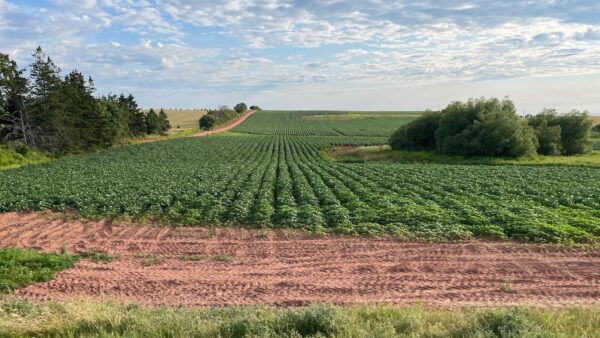
From the north coast we set off to explore the west coast of PEI. The drive was quite pretty as we passed miles of tidy, colorful potato, corn and wheat fields. Relatively flat with rich red soil, it seems every bit of land that is not used for a house, a church or a music venue is used for agriculture. Taking back roads as much as possible, we also passed through bunches of tiny towns, a handful of big ones, and more of the red coastline’s alternating cliffs and beaches.

Continue reading “PEI’s west coast”

Fundy National Park

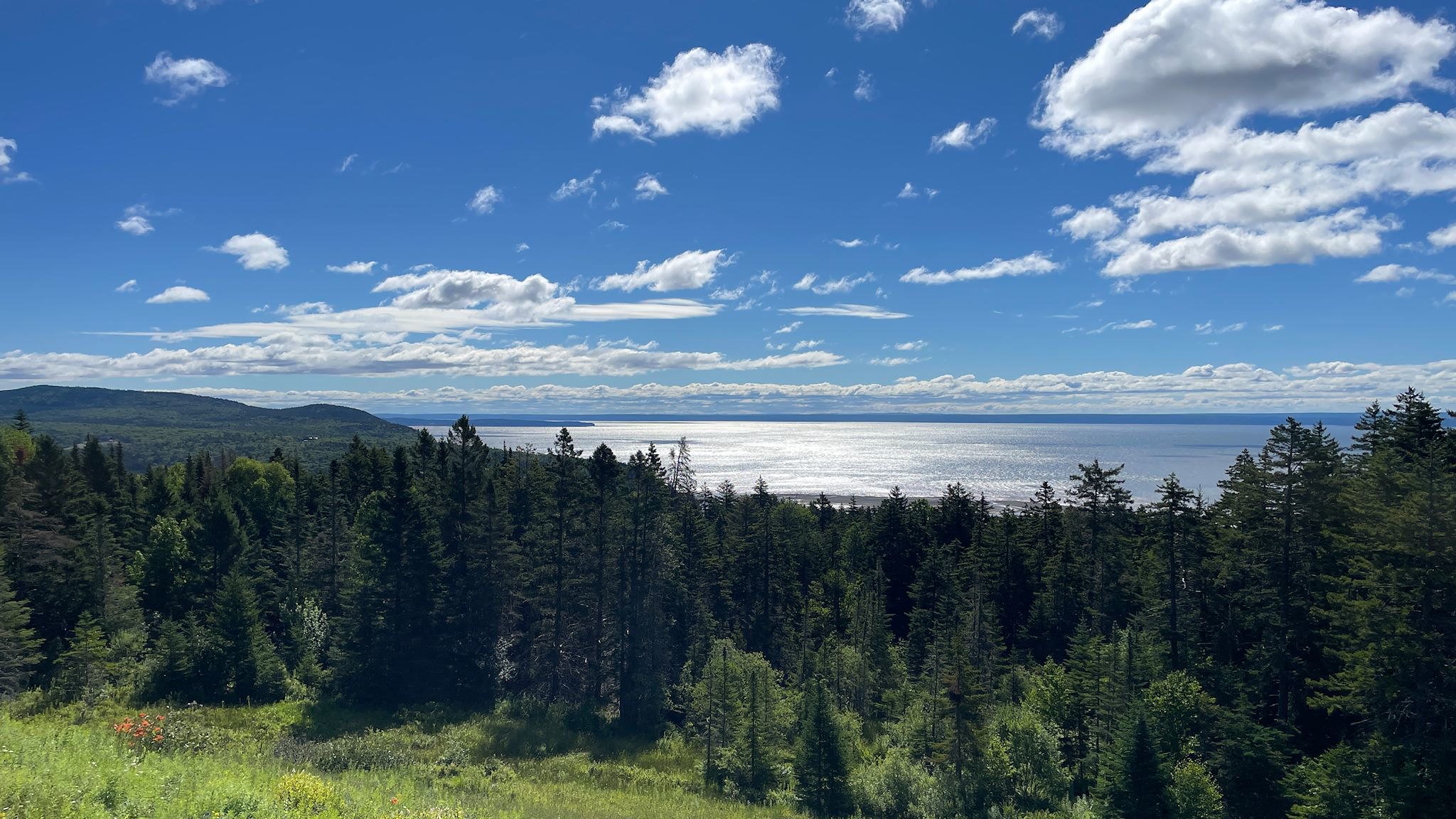
The Bay of Fundy from the high point of the plateau near Rossiter Hill

Established in 1948, Fundy National Park was New Brunswick’s first national park. Fundy is focused on protecting a sample of the Maritime Acadian Highlands region of Canada. It’s well known for its dramatic tides, rugged coastline, deep river valleys within the rolling highlands, being at the transition between the mostly deciduous Acadian forest and strictly coniferous boreal forest. Also, waterfalls. Lots of waterfalls.

People only started to settle the area now comprising the national park in the 1820’s, mostly because it was not a particularly inviting place to live. Growing food was tough with poor soil, short and cool summers, and long harsh winters. However, trees grew well in this environment so logging and lumbering became the predominant industries. The best easily accessible trees most sought for shipbuilding were soon depleted, pollution of the rivers contributed to a decline of fish that spawned there. Fewer wooden boats were being built, and as technology changed the boats used more steel and less wood, further reducing demand for lumber and causing the decline of logging and lumbering in the area in the 1920’s. Fundy National Park has made restoring the ecosystem after a century of damage from logging and dams a priority.

Continue reading “Fundy National Park”

The Edge of Fundy, part 2 – Chignecto Bay 

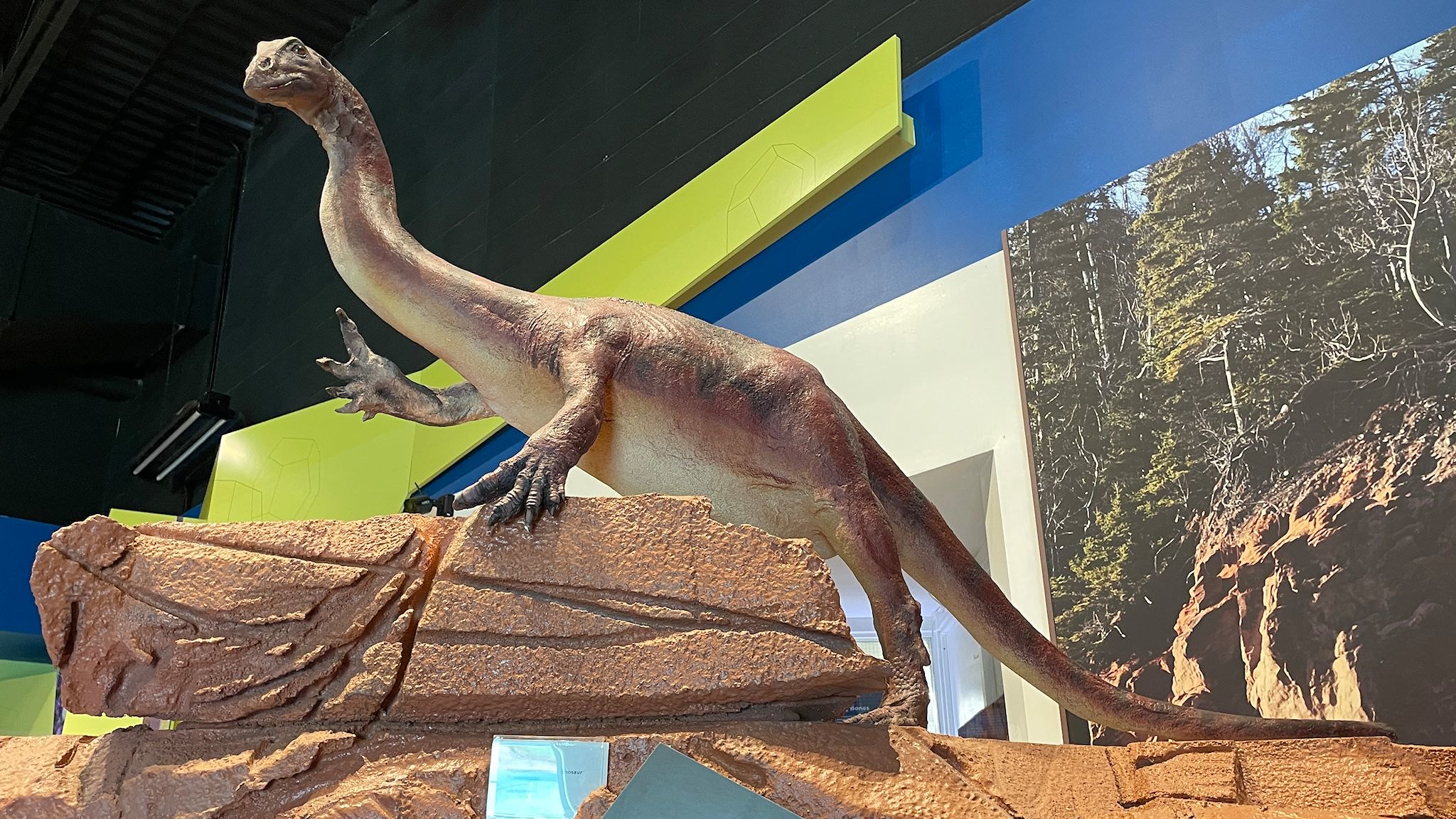
Although we were still on the shore of the Minas Basin, our first interpretive centre/museum stop heading north was all about… dinosaurs? Ok, yes – and the tides that help to uncover their fossils. The Fundy Geological Museum in Parrsboro has close ties to the Joggins Fossil Cliffs of Chinecto Bay (both are UNESCO World Heritage Centres), so let’s just start there.

Continue reading “The Edge of Fundy, part 2 – Chignecto Bay “

The North Coast of Western Nova Scotia

Bay of Fundy

I’ve always had a fascination with travel and for the past 20 or 30 years (give or take a few) whenever Doug or I learned of an interesting place to visit we put a pushpin on an electronic map. (It actually started with a little silver bucket with small pieces of paper and a pen on the bookshelf in our living room – our ‘Bucket List’ bucket – evolving from bookshelf to computer to The Cloud, but the concept still holds.) (We also keep track of the source of each so that friends who made the recommendations receive proper attribution.) Anyhow, as we got close to retiring those e-pushpins were nearly out of control. We’ve now spent a good part of the last 12 years reining things in, tracking and checking off the locations, marking some for a possible revisit, thanking the folks who sent us somewhere, and learning effective strategies to navigate our pushpin map.

So, here we are in Nova Scotia.

Continue reading “The North Coast of Western Nova Scotia”

Death Valley National Park

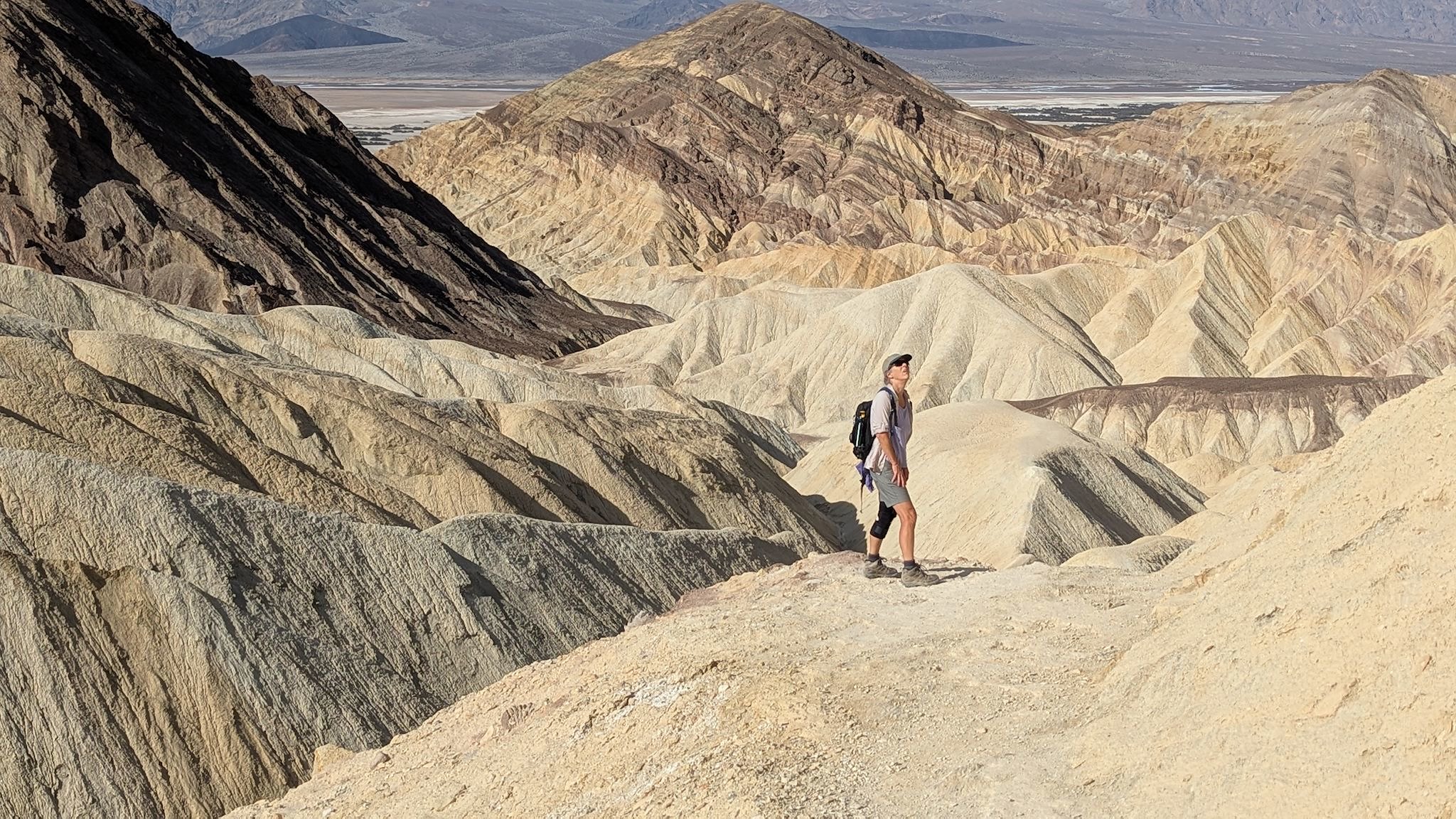
Sue along the Badlands Loop Trail in Death Valley National Park

We’d really wanted to see Death Valley National Park on this trip – that was right up at the top of our list of reasons for undertaking this repeat visit across the country. Once again, due to the government shutdown we didn’t quite know what to expect, and up-to-date information was hard to find. However, given our recent experience at Joshua Tree, and considering that from Bakersfield we were less than 3 hours from the park, we headed over to check it out. And once again, we were pleasantly surprised! The Death Valley Natural History Association is a non-profit that supports all of the goals of DVNP. They are funding park staff salaries during the shutdown, and the park was nearly fully open! And most of the closures were due to planned improvements or repairs to flood-damaged roads, unrelated to the current budget issues. Our heartfelt thanks to the DVNHA and all of the staff we met in the visitor center and campground for enabling us to have an amazing visit in Death Valley

Continue reading “Death Valley National Park”

Joshua Tree National Park

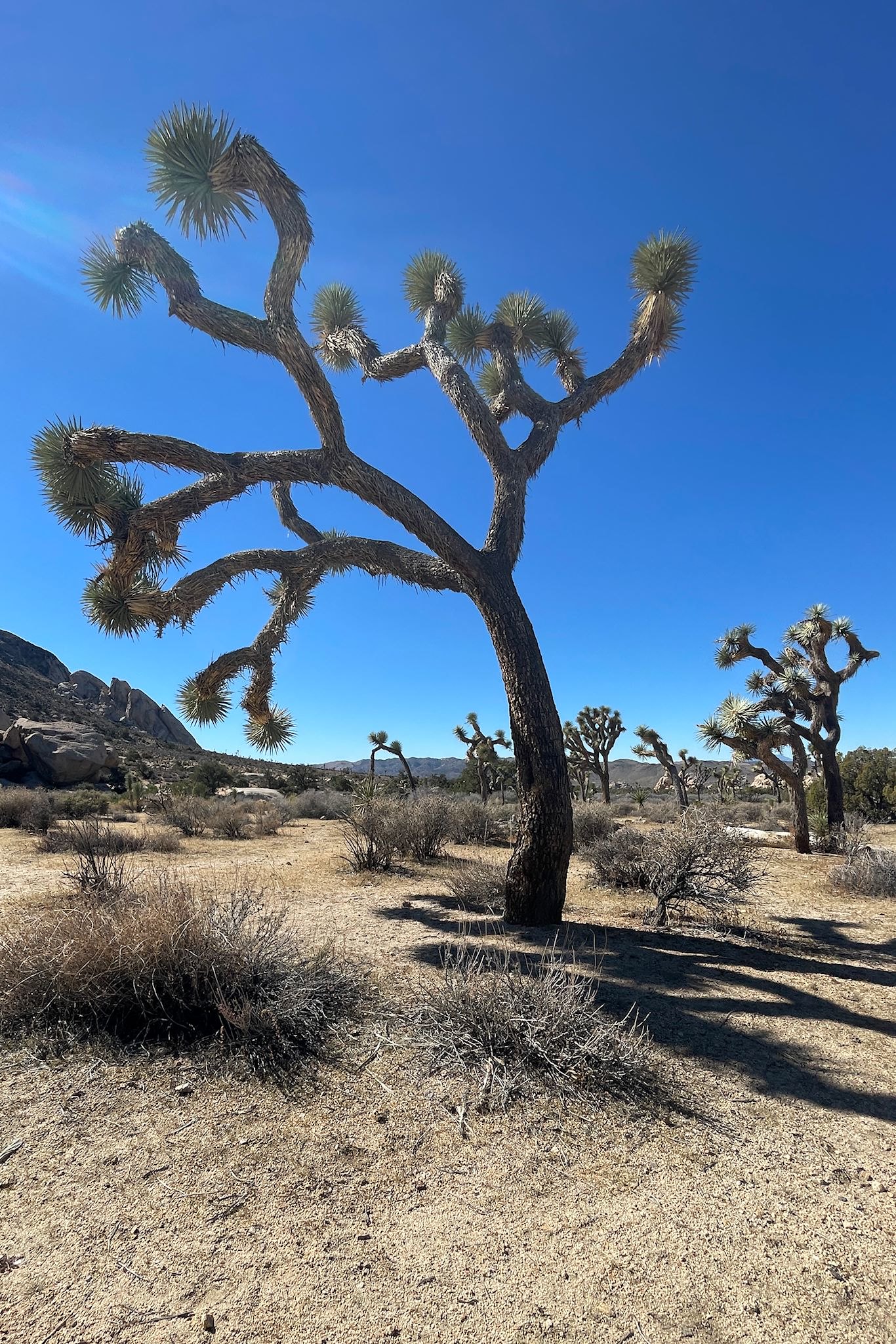
Dancing Joshua Tree

We really wanted to visit Joshua Tree National Park as we head east. We didn’t know what to expect with the government shut down, and in this case we were pleasantly surprised. With the help of many volunteers and paid staff from the Joshua Tree National Park Association, a non-profit partner that provides support to JTNP to meet all of its goals, and a skeleton crew of National Park Service staff, the entire park was open and almost fully operational. We made sure to thank all of the volunteers and staff for their time and effort so that we could visit this wonderful place. Several thanked us back for having come despite the shutdown.

Continue reading “Joshua Tree National Park”