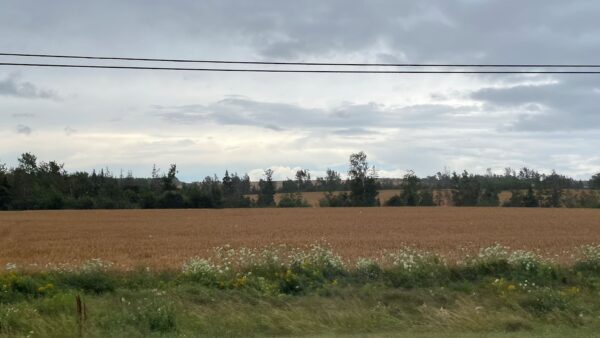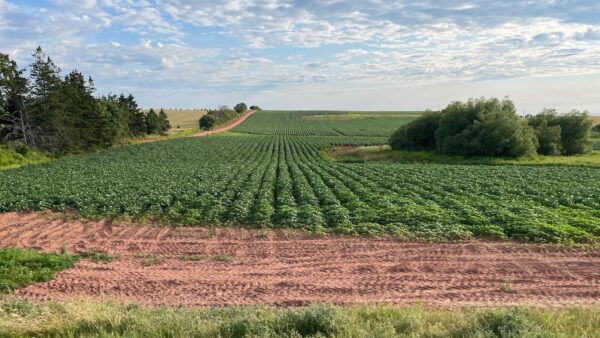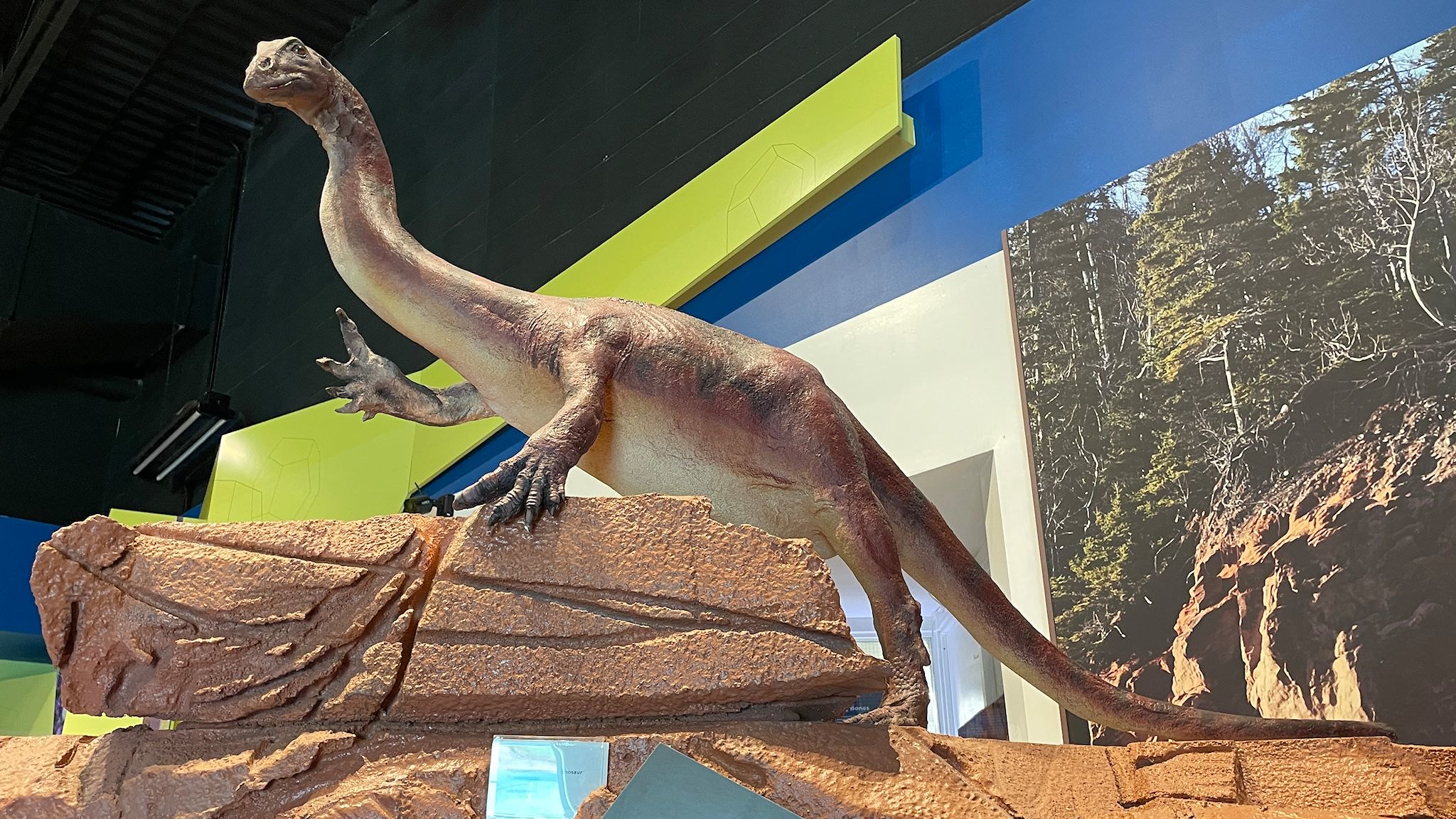
Although we were still on the shore of the Minas Basin, our first interpretive centre/museum stop heading north was all about… dinosaurs? Ok, yes – and the tides that help to uncover their fossils. The Fundy Geological Museum in Parrsboro has close ties to the Joggins Fossil Cliffs of Chinecto Bay (both are UNESCO World Heritage Centres), so let’s just start there.
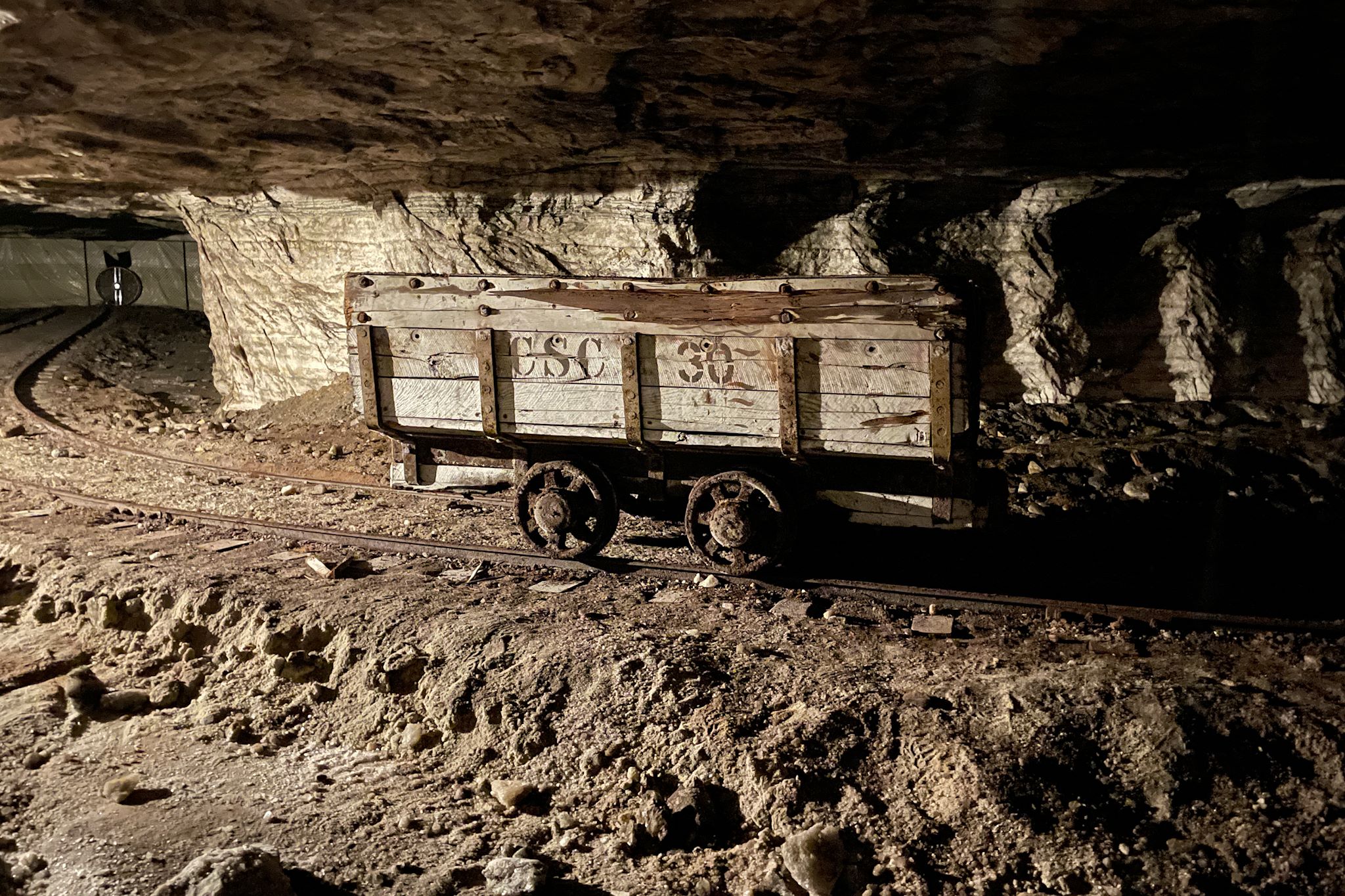
In 1923, the Carey Salt Company in Hutchinson, KS dropped a mine shaft 650 feet below the earth’s surface to tap into a large salt deposit. This salt deposit, formed 275 million years ago, is one of the world’s largest and spans much of Kansas, Oklahoma and Texas. The mine has been in continuous operation since it opened, changing ownership a few times. The mine is now owned by the Hutchinson Salt Company and it yields about 5,000 tons of salt every day, most of it used for ice-melting applications and various other industrial and agricultural purposes. Table salt, also produced in this region though not at this mine, is extracted in a very different process that involves pumping fluids down to the salt layer to dissolve salts and pumping the solution back to the surface for refining.
There are 14 other salt mines in the US. The only mine that offers underground tours is this one in Hutchinson – the Kansas Underground Salt Museum – which is now run by a non-profit educational foundation called Strataca.
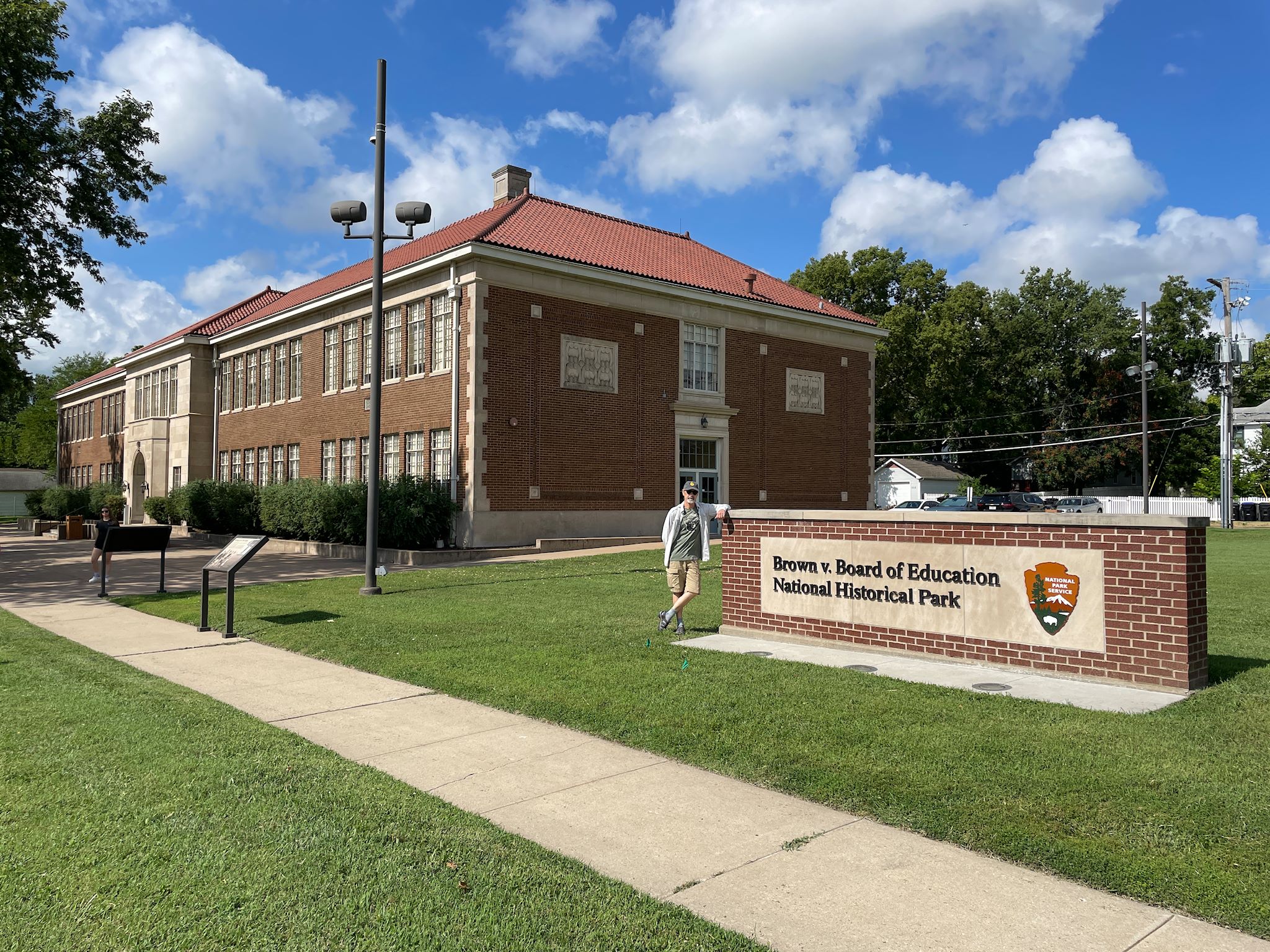
On our last trip through Kansas (nine years ago!), we wrote that Kansas had no national parks for us to see. That changed in 2022 – and that change has (so far) withstood our government’s renewed scrutiny of National Park Service facilities.
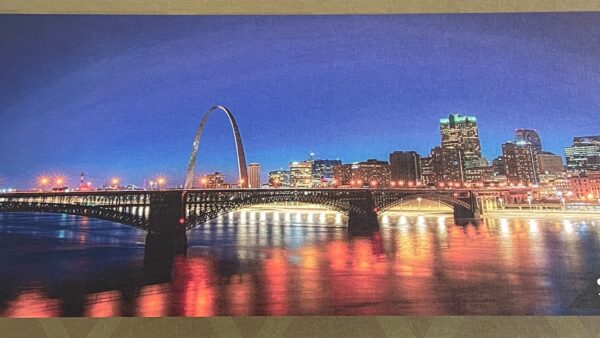
Photo of the 150-year old Eads Bridge over the Mississippi River (Missouri History Museum)
A favorite part about being in the midwest is catching up with members of my family that we don’t get to see very often. With the A/C saga behind us, we aimed for Missouri where temps were forecasted to hover around 100. Does the outdoor thermometer on the RV get to 3-digit numbers?
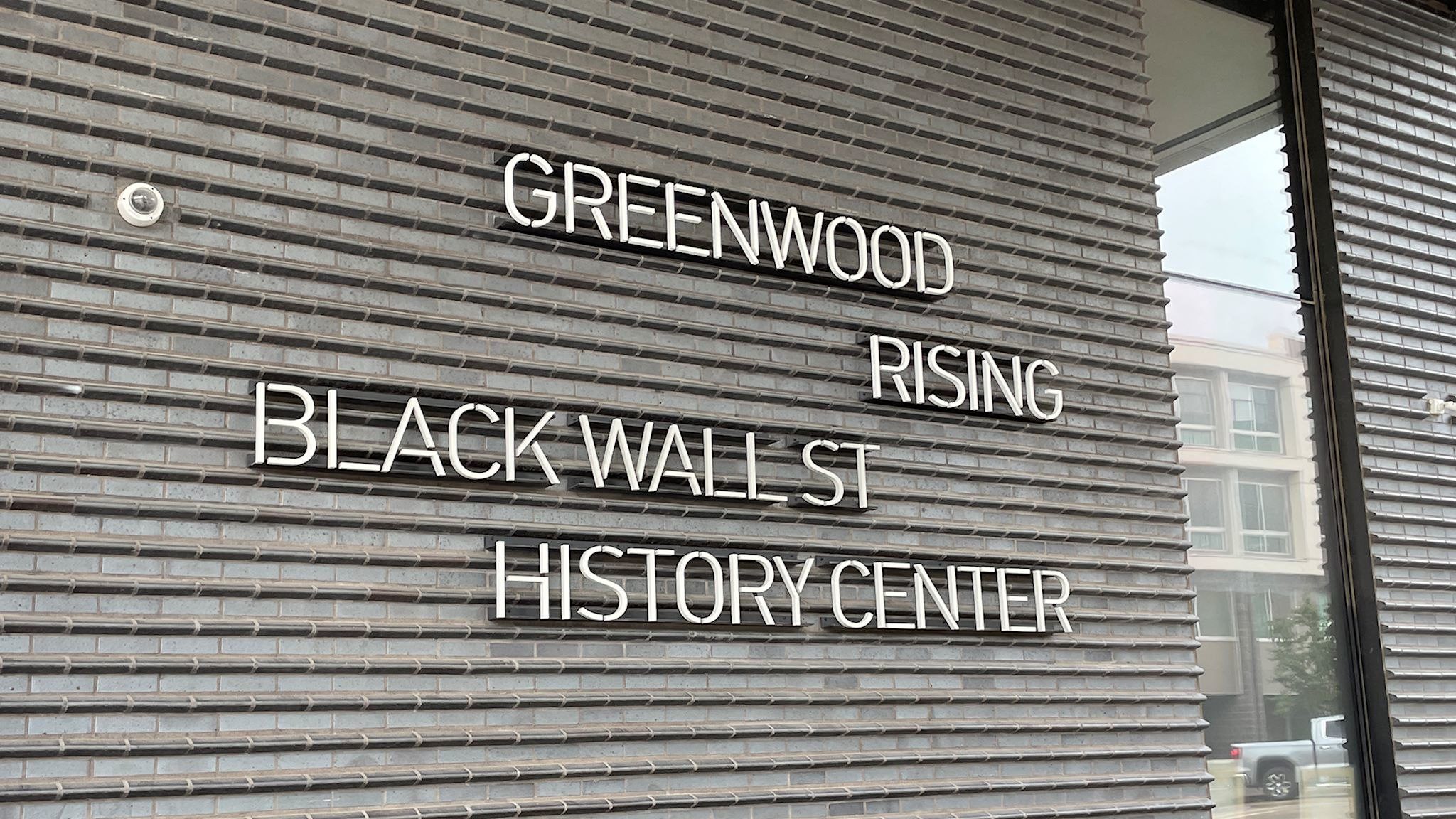
Our plan was to head northwest from Tulsa to meet our friends and fellow travelers Mark and Linda who were going to be in southern Colorado. Unfortunately, their motorhome had a mechanical problem which forced them to skip their rendezvous with us in favor of a visit to the Sprinter dealer, way up in Denver. Though we were sorry to miss our friends, a consolation prize for us was that, if we weren’t heading to Colorado, we could slow down on our push to Albuquerque. We started by extending our stay in Tulsa to take care of a couple of necessities (like laundry) and see a little more of the city. The Arts District we talked about in the previous post is adjacent to, and partly within, the Greenwood section, which was once known as Black Wall Street. Over the past few years, along with many others, we learned for the first time of the history of that area – in particular, of the horrific events that took place there a little more than a century ago, hidden and suppressed for most of the ensuing years. To learn more, we visited the Greenwood Rising History Center.
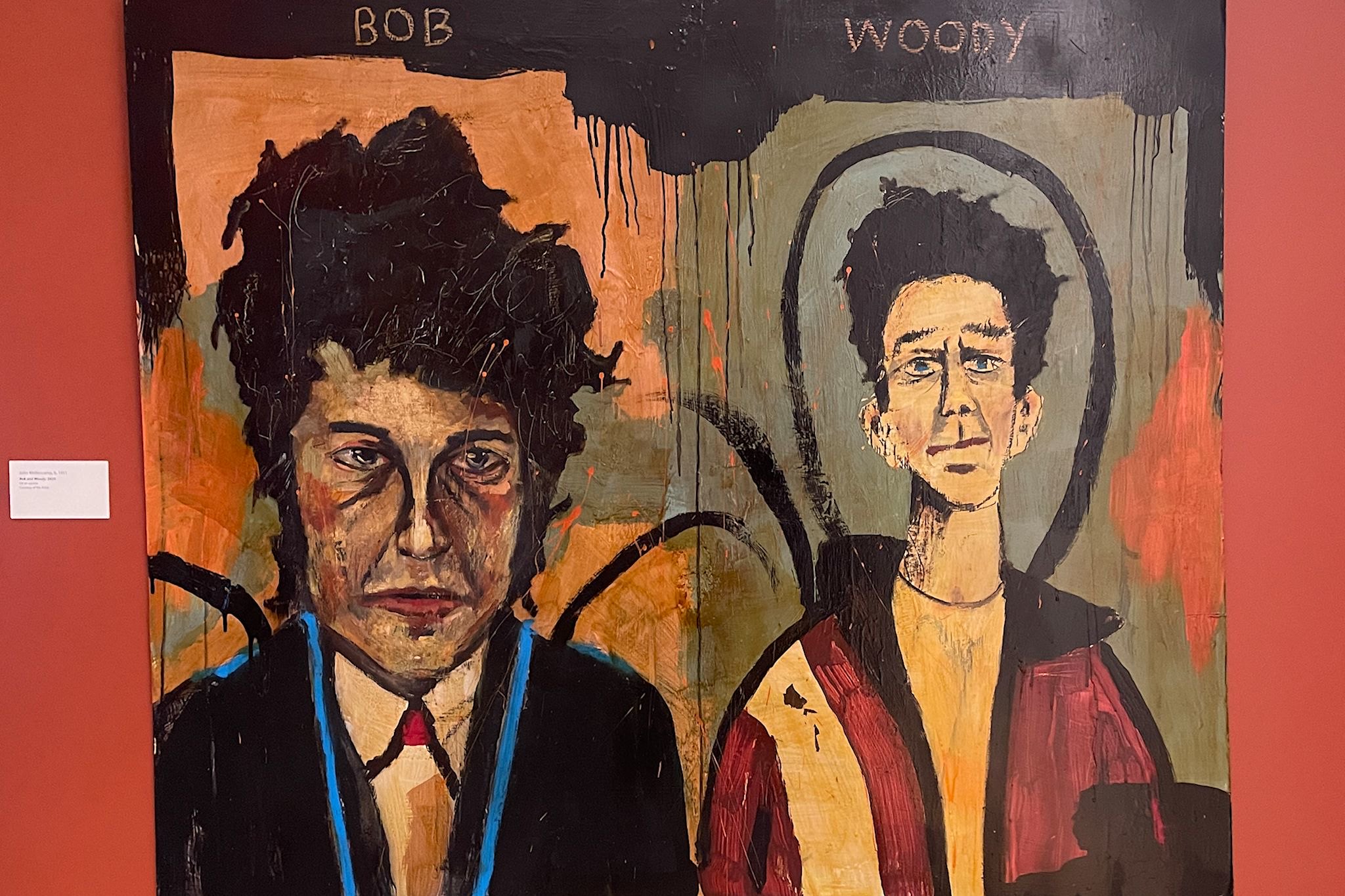
Painting of Bob Dylan and Woody Guthrie by John Mellancamp
We had a couple of free days between St Louis and our next destination in Colorado. We were trying to decide between a couple rest days – just hang, read, play piano/guitar – or swing through Tulsa, OK to visit the Bob Dylan Center we’d read about. When Suzy told us that the Woodie Guthrie Center is adjacent to the BDC and those rest days evaporated!
I first heard about Drum Center of Portsmouth about 6 years ago. Their byline is the Largest Drum Shop in the World! Ever since then I’ve been determined to visit sometime when we might be near. Well, we were near!
The weather forecast was calling for 90% chance of rain, so it seemed like a good day for an indoor tourist thing. We headed over to the Maine Maritime Museum, on the original site of the Percy & Smalls Shipyard in Bath. Uh oh. A big part of this museum is outdoors or inside the preserved original buildings connected by footpaths across the 20-acre site. But as luck would have it, the forecast was mostly wrong. The sky cleared up nicely after a 10-minute downpour, and stayed that way for the rest of our day at the museum.
I’ve been hearing about Caraquet, New Brunswick, my whole life. My mom’s family (ok, the men in my mom’s family) made their living fishing in the Caraquet area for 8 generations. During the Great Depression, jobs dried up and people, including my ancestors, were struggling to find work. My grandfather Ferdinand (‘Fred’) Murray moved his wife, Marie-Louise (Godin) and the first 7 of their kids (of the eventual 13) to Berlin, New Hampshire, where the paper mill was hiring. The rest is history…