Mont Tremblant National Park

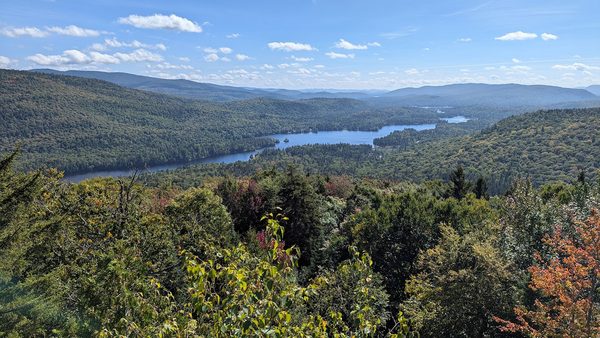
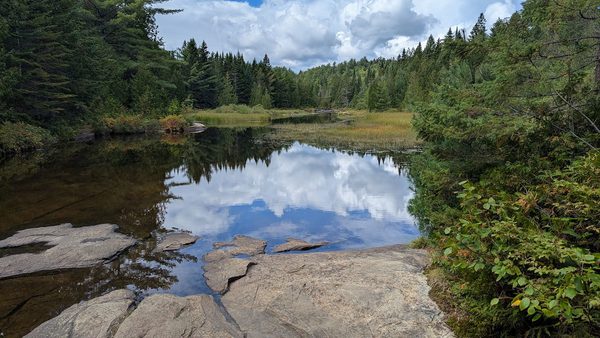
Mont Tremblant National Park is the oldest national park* in Quebec, the 3rd oldest in Canada and the 6th oldest in North America. Created in 1895 as Parc de la Montagne-Tremblante, its original purpose was to ‘conserve’ this beautiful area within the Laurentian Mountains, meaning manage reasonable use of resources like logging, which had been underway since the 1850’s. (This is as opposed to newer national parks’ definition of conservation which is to protect park resources from exploitation.) As a park employee described to us, all of the lakes were flooded in the spring to allow logs cut during the winter to be floated down long chains of lakes to the larger rivers to feed the lumber and pulp mills downstream. This form of logging was destructive to river ecosystems. That, along with the development of modern logging trucks, skidders and rail transport ended the log drives in the 1980’s. The area became officially Mont Tremblant National Park in 2001 with conservation (new definition) as its central focus.

Continue reading “Mont Tremblant National Park”
Jacques Cartier National Park

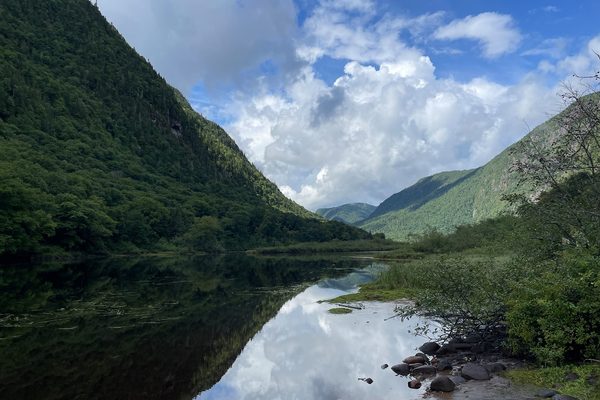
Jacques Cartier National Park was created in 1981. Like other national parks around the world, its raison d’être (we’re in Quebec…) was to protect the natural resources of the region while balancing access and recreation. Although the entirety of the river is over 160 km/100 mi long, the area protected by the national park features a 54-km /34-mi stretch of a magnificent glacial gorge that is 550 m /1,800 feet deep. Water sports – canoeing, kayaking, tubing, and fishing – are top of mind at Jacques Cartier. There are also 100 km/ 62 mi of hiking trails throughout the park.

We’ve been confused before about national parks in Canada, particularly in the province of Quebec, because all but 2 of the national parks in Quebec are under the umbrella of SÉPAQ, a provincial organization that operates 23 national parks in Quebec, including Parc National du Jacques-Cartier and Parc National de la Gaspésie, among others. Huh? Inquiring minds…

Continue reading “Jacques Cartier National Park”

The Florida Keys

The Atlantic

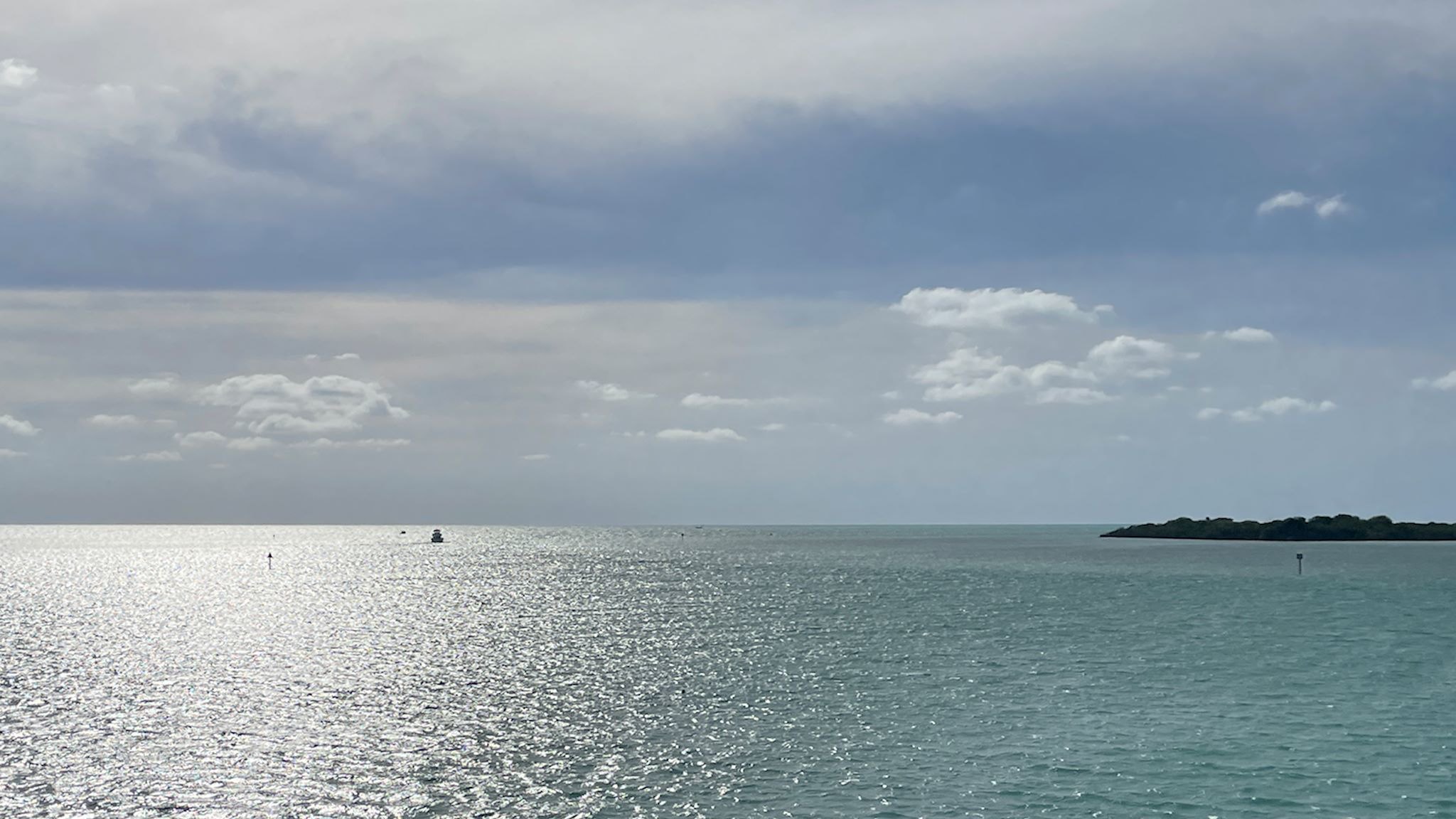
I think people are often drawn to beaches or to mountains. There’s no doubt that Doug and I are drawn to mountains. We’ve not vacationed in the islands (Newfoundland doesn’t count) or on beaches in our 40 years together. Of all the times we visited my parents in Melbourne, FL – their chosen retirement location – in the past 30 years, we’ve likely actually intentionally gone the 4 miles to the beach a handful of times. (Except for ice cream – my mom’s and my favorite ice cream shop is a block from the beach.) So let’s just say that the Florida Keys have not been near the top of our bucket list. Still…

Continue reading “The Florida Keys”

Sequoia & Kings Canyon National Parks

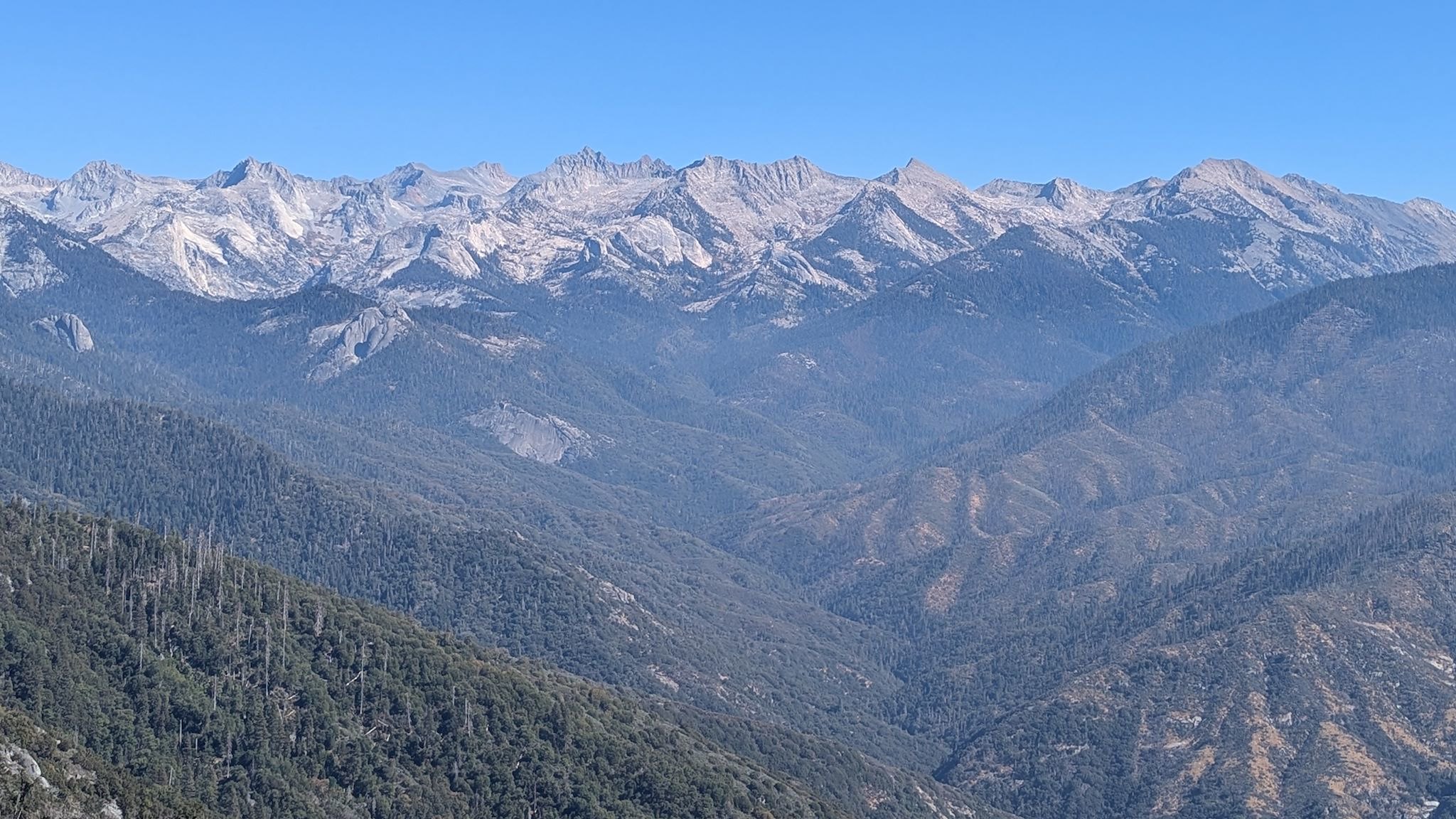
The Great Western Divide of the Sierra Nevada and
headwaters of the Middle Fork of the Kaweah River

Sequoia National Park was established in 1890. This park includes Mt Whitney, the highest point in the lower 48 states at 14,505 feet above sea level, as well as 5 of the 10 largest giant sequoia trees. General Grant National Park was also established in 1890 to feature and protect giant sequoias, including the General Grant Tree. In 1940, in an effort to protect more of the unique resources of the area – the 14,000-foot peaks of the Sierra Nevada, Kings Canyon 10,000 feet below, as well as old-growth forests and other large groves of giant sequoia trees – the Kings Canyon National Park was created, incorporating General Grant National Park. Since 1943, the 2 national parks comprising nearly 1 million acres have been adminstered together as Sequoia & Kings Canyon National Parks.

Continue reading “Sequoia & Kings Canyon National Parks”

Labrador 510 – Trans-Labrador Highway, part 2

Battle Harbour

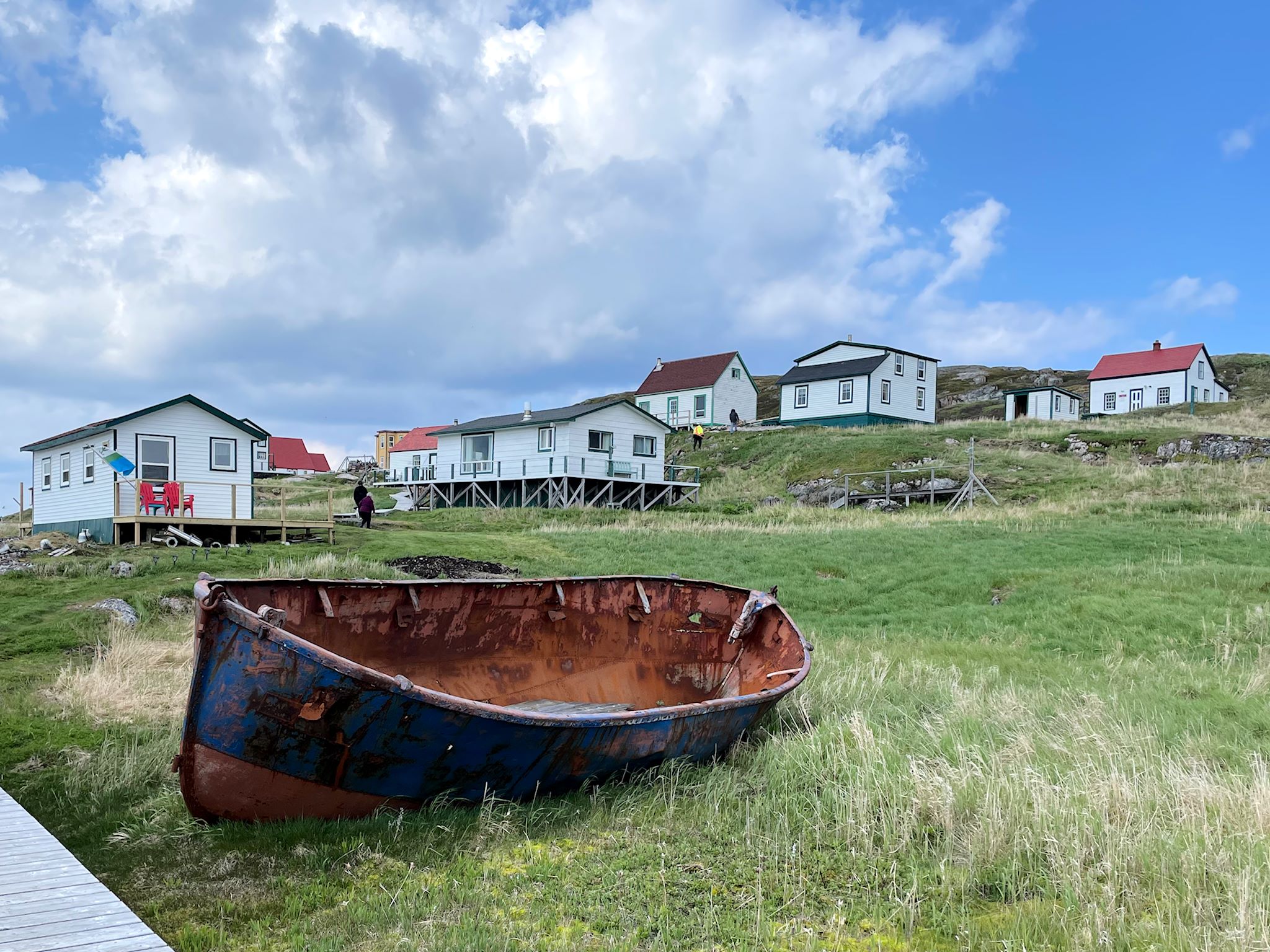
The road to connect the settlements and resources of western and coastal Labrador – the Trans-Labrador Highway – had been in the works since the early 80’s. Dirt roads and walking trails between settlements were widened into gravel roads in sections, then paved as demand and budgets allowed. The last remaining section of gravel was paved in July, 2022 – and the road was complete!

Continue reading “Labrador 510 – Trans-Labrador Highway, part 2”

Labrador 500 – Trans-Labrador Highway, part 1

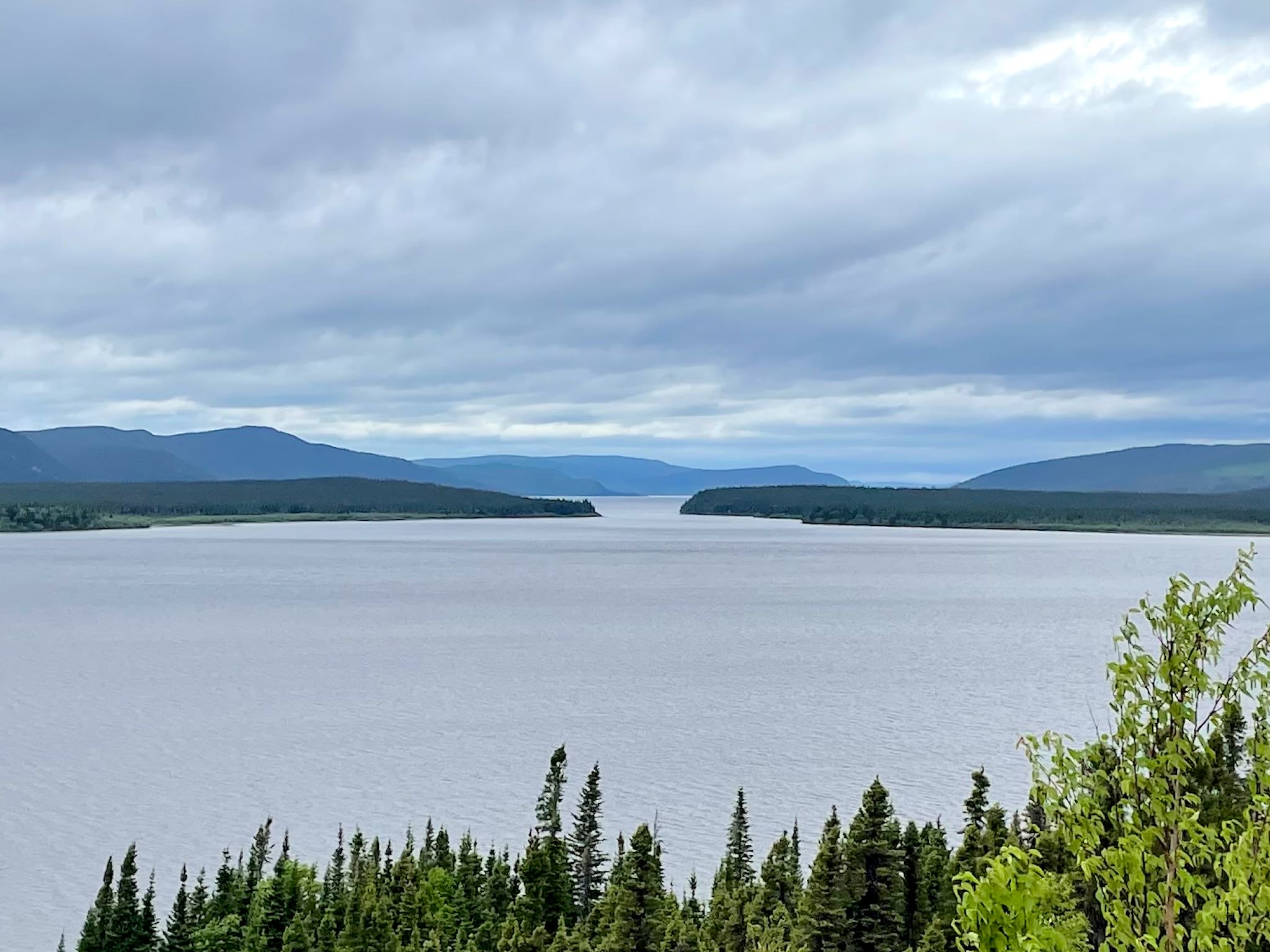
Grand Lake from Sunday Hill, North West River, NL

The history of Newfoundland and Labrador is long and colorful. Here’s the super condensed version…. The earliest known inhabitants were Inuit (hunters of sub-arctic sea mammals, like whales), Innu (caribou hunters) and Mi’kmaq (seafood harvesters in the summer and forest hunters in the winter). The earliest European settlers are thought to have been Vikings, just after 1000 AD. Starting in the early 15oo’s, explorers from France, Spain, Portugal, Ireland, and England began to visit. Eventually, these folks came to be in conflict with each other and the original inhabitants in their efforts to claim portions of the newly found land in order to control resources. Perhaps the most immediately obvious of these resources was an insane abundance of great fishing. Over the centuries since, additional resources of interest have been identified all over this vast area and have included furs, forests, minerals (iron ore), and hydropower.

Continue reading “Labrador 500 – Trans-Labrador Highway, part 1”

Quebec 389

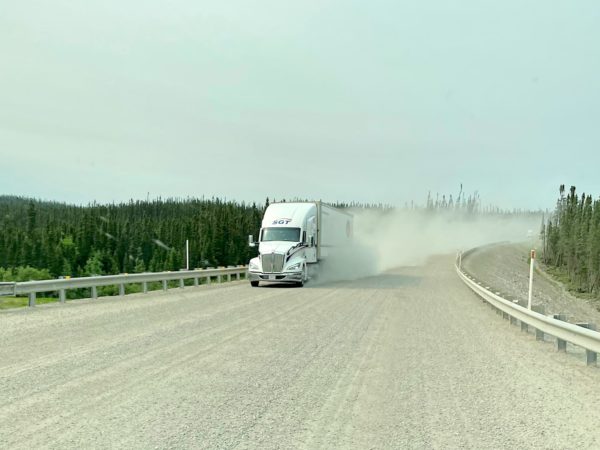
Quebec 389 is described as dangerous by public safety organizations, beautiful by tourism publications, and remote by both. It is unquestionably remote, winding its way through the boreal forest 547 km/340 miles from Baie Comeau on the St Lawrence River, past a series of ‘Manic’ dams owned by Hydro-Quebec (Manic-1 through Manic-5, all named after Lake Manicoualan which they hold back) and multiple open pit mines on the way to Fermont (French for Iron Mountain). There are 2 tiny settlements and 3 fuel stations along the way. There’s cell coverage at the fuel stations. For safety, there are 10 good, old-fashioned telephone booths spread out along the road (more than remain in the entire state of Vermont) for anyone who’s stranded. It’s the only road north from the Côte Nord/North Coast of Quebec and, once connected to the Trans-Labrador Highway, allowed for overland passage to the coast of Labrador. But that’s getting ahead of ourselves.

Continue reading “Quebec 389”

Great Smoky Mountains National Park

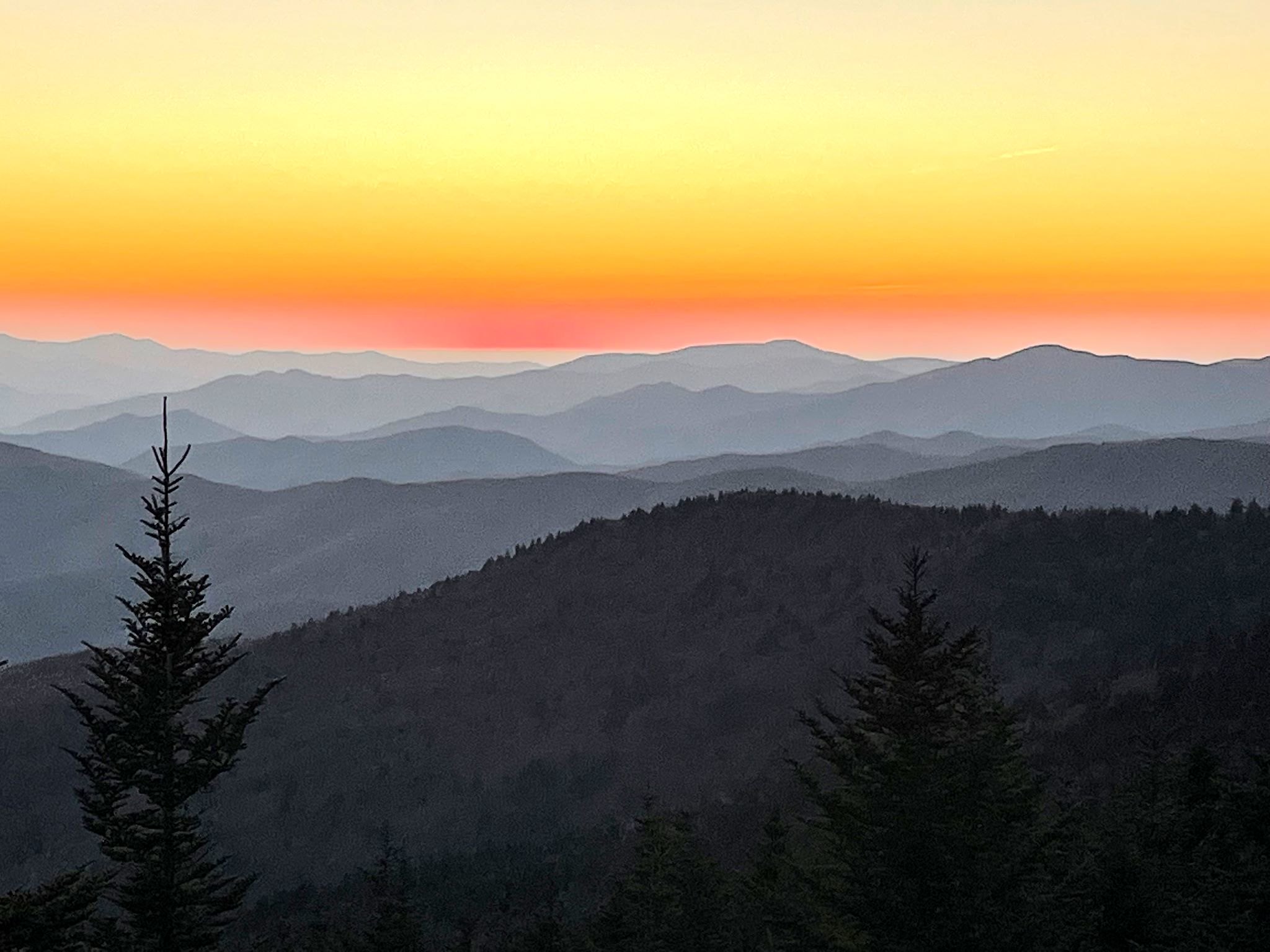
Twilight over the Tennessee side of Great Smoky Mountains

Asked which is the most visited National Park in the country, most people would think it must be Yellowstone or Yosemite or some of the other large parks in the west. Nope! Great Smoky Mountains National Park takes the top spot. Its location – within a day’s drive of half the US population – and its incredible beauty attracted 14 million people in 2021. (Zion with 5 million and Yellowstone with 4.9 rounded out the top 3.)

GSMNP is a wide area in the Appalachian Mountains that spans the North Carolina and Tennessee border with a seemingly endless series of forested mountain ridges. The natural vegetation in the area releases organic compounds with a bluish tint that mix with the natural morning fog to create a blue-tinged, smoky appearance – hence the name. The park is well known for its views and waterfalls, its elk herd, and its hiking. Hiking!

Continue reading “Great Smoky Mountains National Park”

The I-5 – Friends and family

The view along I-5 near Yreka, CA

Alaskans and Canadians have it all over the lower 48 with highway names…

As we adjusted our route back to Vermont from BC to include a stop near San Francisco (more on that in an upcoming post), we had an opportunity for a few visits along the beautiful (but unimaginatively named) I-5 corridor.

Continue reading “The I-5 – Friends and family”