Red Rocks Amphitheatre, Morrison, CO

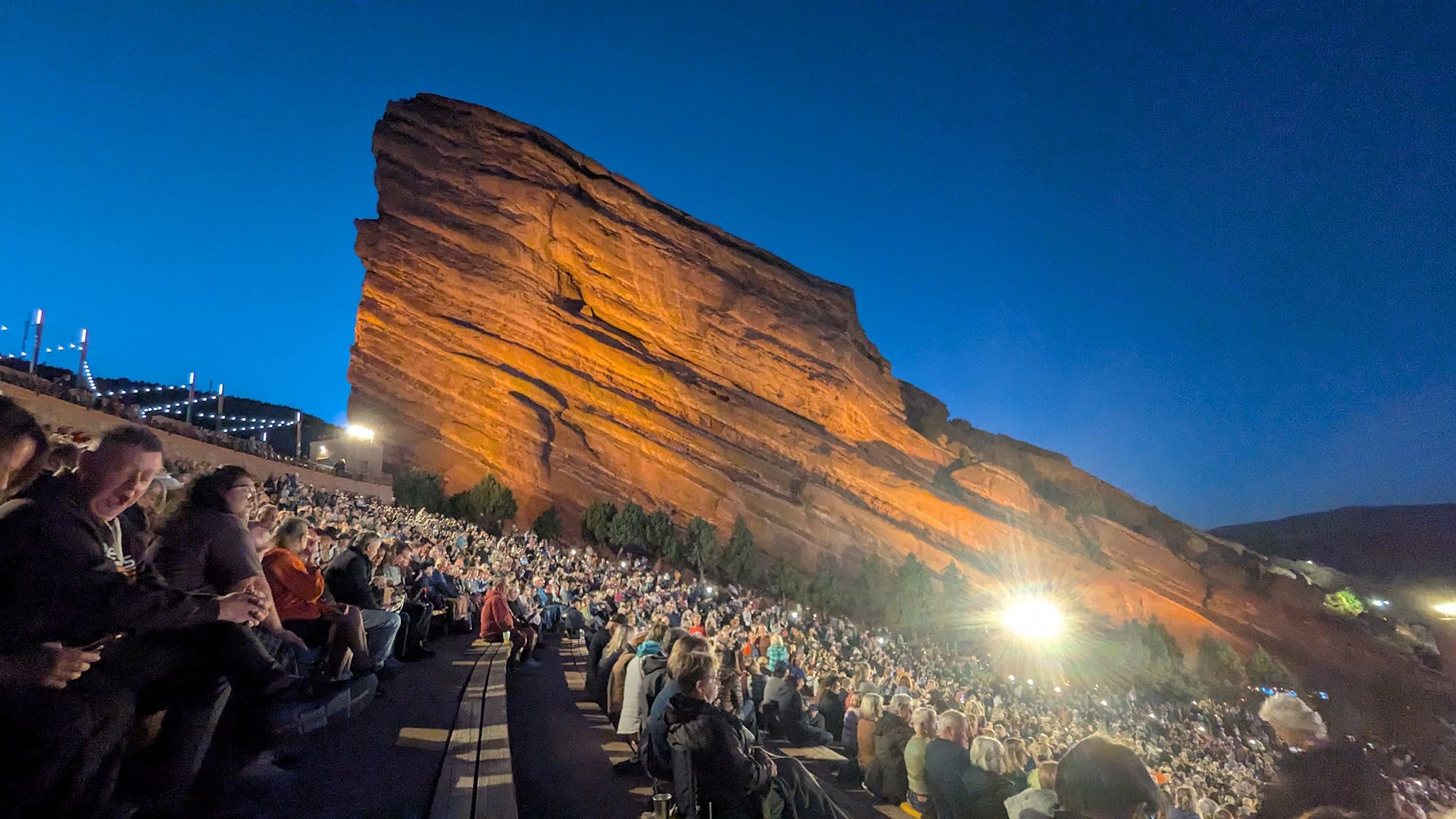
Creation Rock, the crowd

On my cross-country bike trip in 1983, I stopped in Morrison, CO. A local suggested I check out the Red Rocks Amphitheatre – a natural outdoor theatre that had been enhanced and turned into a performance venue. Although there was no show there that day/evening, it sounded like it might be a cool place to see, so I biked up to the entrance. I was in awe of this performance space tucked in between giant red rocks, surrounded by such stunning views! I spent the rest of the day hiking in and around the theatre.

Had there been a show, it would likely not have fit into my bike-bum’s budget. Sigh. Coming back someday to see a show was one of the first official items on my shiny new bucket list. It only took me 42 years to check it off!

Continue reading “Red Rocks Amphitheatre, Morrison, CO”
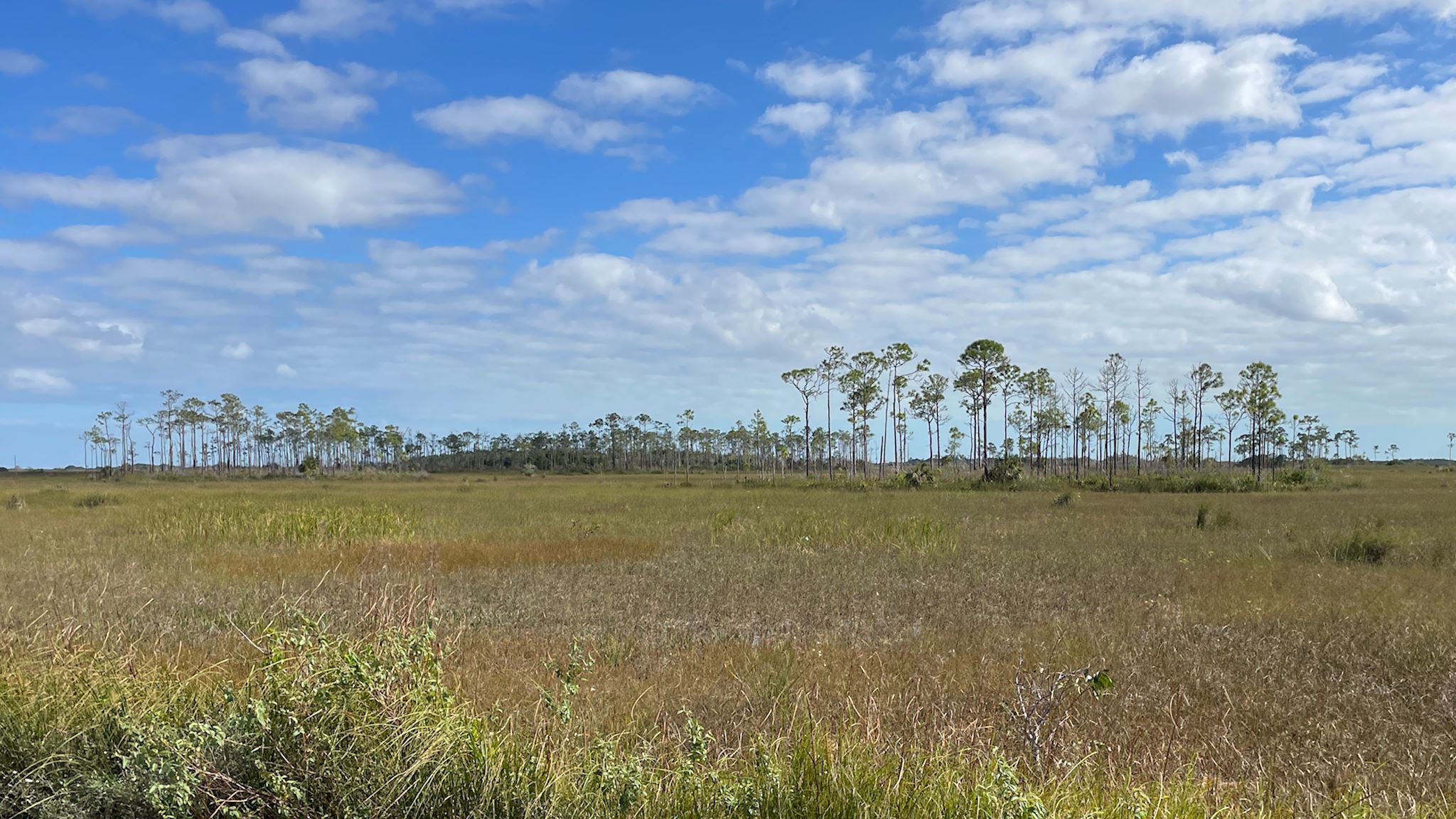
Everglades National Park

Slash pine ridges along the saw grass prairie of the Shark River Slough

Although we were glad to help my mom through her first-ever experience with surgery (at age 91!), we had to defer the latter 2/3rds of our planned southwest adventure. By the time my mom was stable (which happened very quickly, given the possibilities), there was no longer enough time to get back to any of those southwest plans. But we didn’t really need to rush home. Could we find a different adventure? What if we had planned a trip to the southeast… Is there something we would explore in Florida that we haven’t yet visited on our many family visits to Melbourne? This was a no-brainer – Everglades National Park!

Continue reading “Everglades National Park”

Sequoia & Kings Canyon National Parks

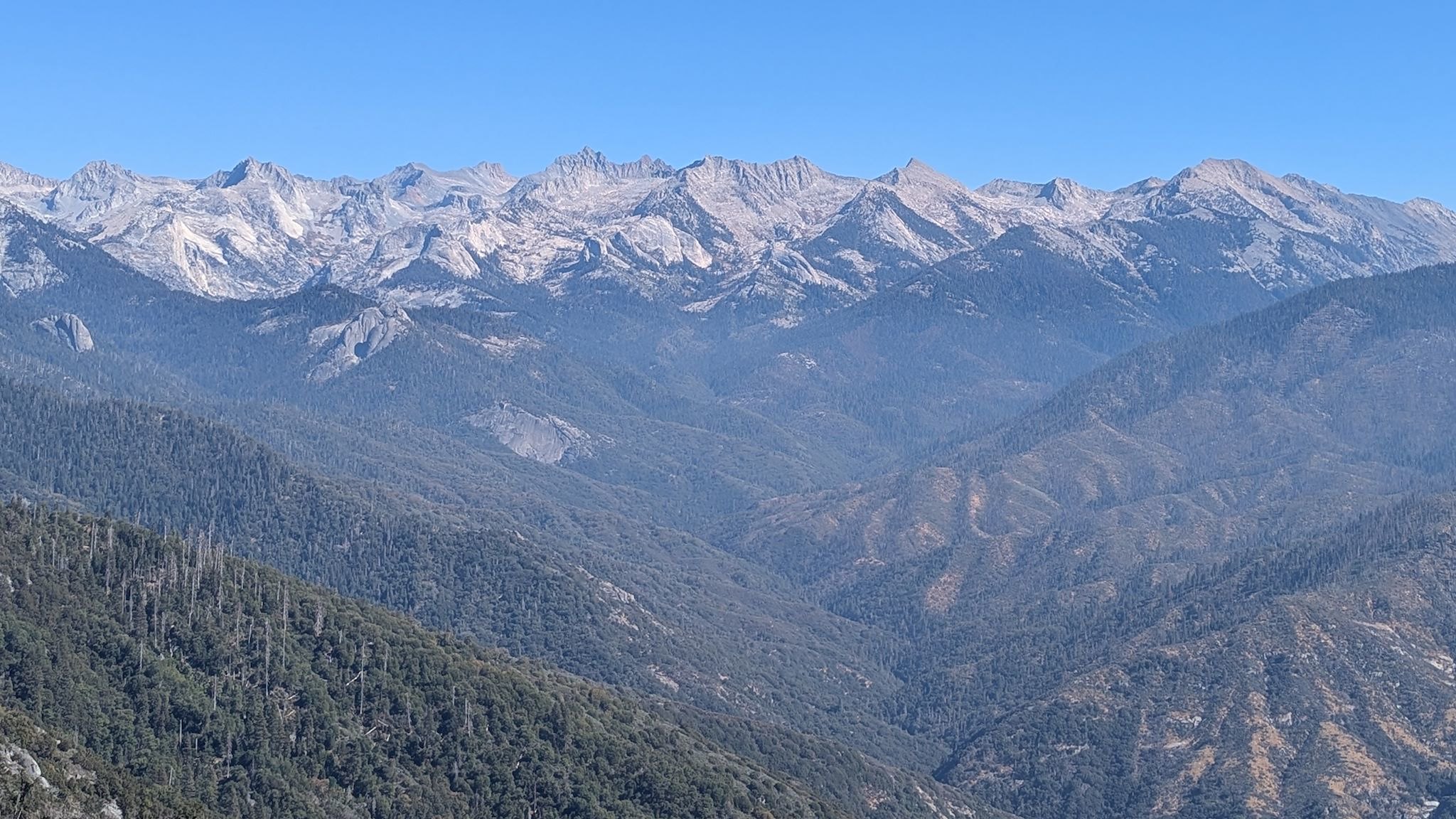
The Great Western Divide of the Sierra Nevada and
headwaters of the Middle Fork of the Kaweah River

Sequoia National Park was established in 1890. This park includes Mt Whitney, the highest point in the lower 48 states at 14,505 feet above sea level, as well as 5 of the 10 largest giant sequoia trees. General Grant National Park was also established in 1890 to feature and protect giant sequoias, including the General Grant Tree. In 1940, in an effort to protect more of the unique resources of the area – the 14,000-foot peaks of the Sierra Nevada, Kings Canyon 10,000 feet below, as well as old-growth forests and other large groves of giant sequoia trees – the Kings Canyon National Park was created, incorporating General Grant National Park. Since 1943, the 2 national parks comprising nearly 1 million acres have been adminstered together as Sequoia & Kings Canyon National Parks.

Continue reading “Sequoia & Kings Canyon National Parks”

Sedona

We last visited Sedona in 2017 to see our long-time friends Malcolm and Judy, not long after they had retired and moved from New Jersey to AZ. They showed us around their new hometown and the surrounding areas, and, just as we always have, we looked forward to the next time we could get together. Then, in May 2021, Judy passed away. Her death was sudden and unexpected and very difficult for all who knew her, and we were deeply concerned for Malcolm, who’d lost his life partner of 49 years. Malcolm visited with us in VT later that summer on an east coast tour of visits with friends and countless private celebrations of Judy’s life, as he began to heal.

We were excited when we learned that Malcolm had met a wonderful woman, that they’d fallen deeply in love and were embarking together on a new chapter in their lives. Malcolm and Lita were married in May 2023, and we were eagerly awaiting our visit to meet and get to know Lita! Oh, and also Lita’s dog (now Malcolm’s step-dog) Cali.

Continue reading “Sedona”

Palo Duro Canyon State Park, TX

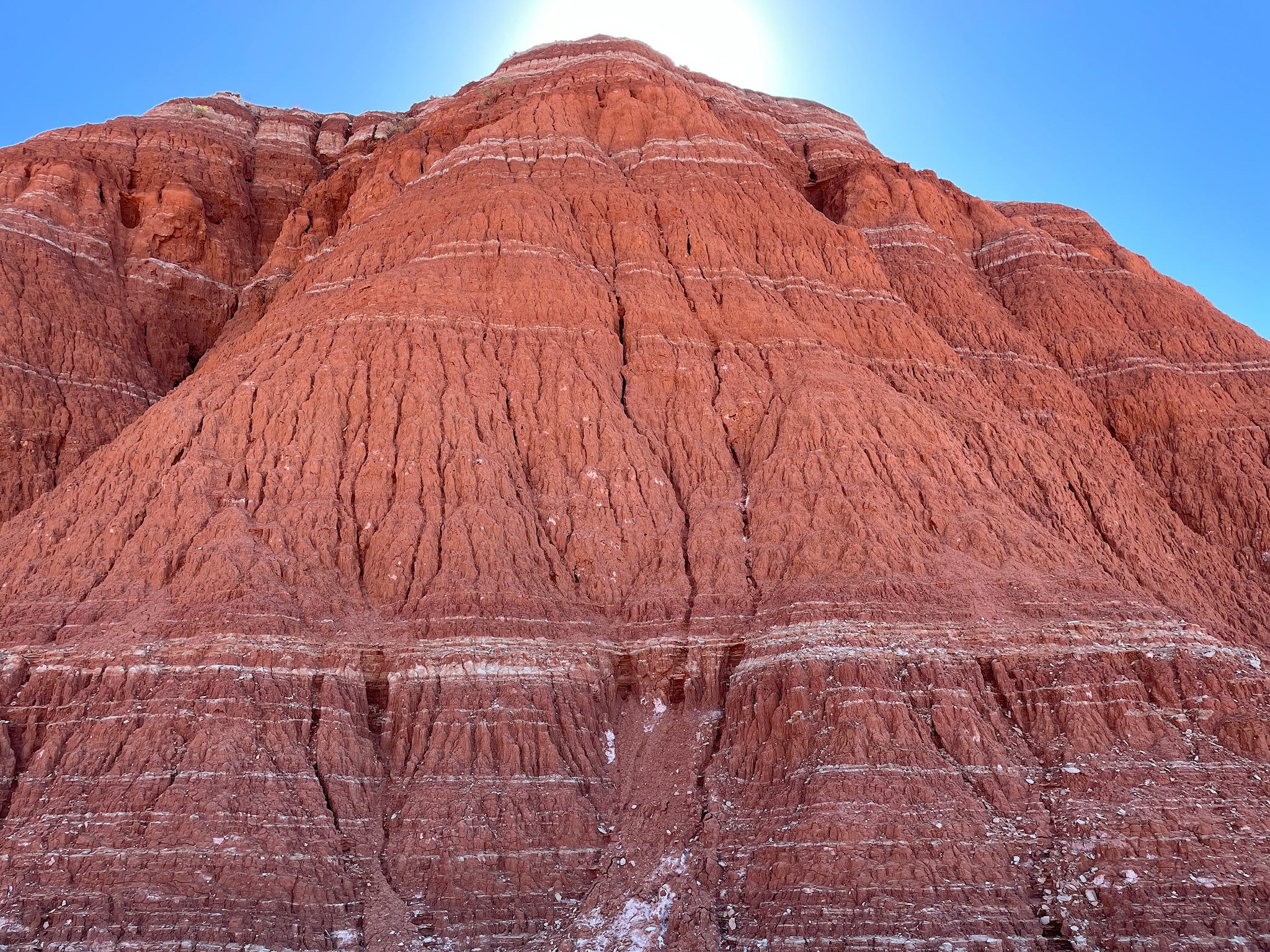
Our change in plans afforded us 4 more days in which to choose a new adventure en route to Albuquerque. We spent three of them in Palo Duro Canyon State Park and loved every minute.

Palo Duro Canyon is the 2nd largest canyon system in the US, after (what else?) the Grand Canyon. Really? In the Texas Panhandle? Yup! It’s 40 miles long, averages 6 miles wide and drops 600 feet from the rim to the canyon floor.* The Prairie Dog Town Fork of the Red River cut the canyon over millions of year leaving behind caves, hoodoos and colorful rock and sandstone formations. Unlike the Grand Canyon, most of the action at Palo Duro takes place on the canyon floor.

Continue reading “Palo Duro Canyon State Park, TX”

Bradbury Mountain State Park

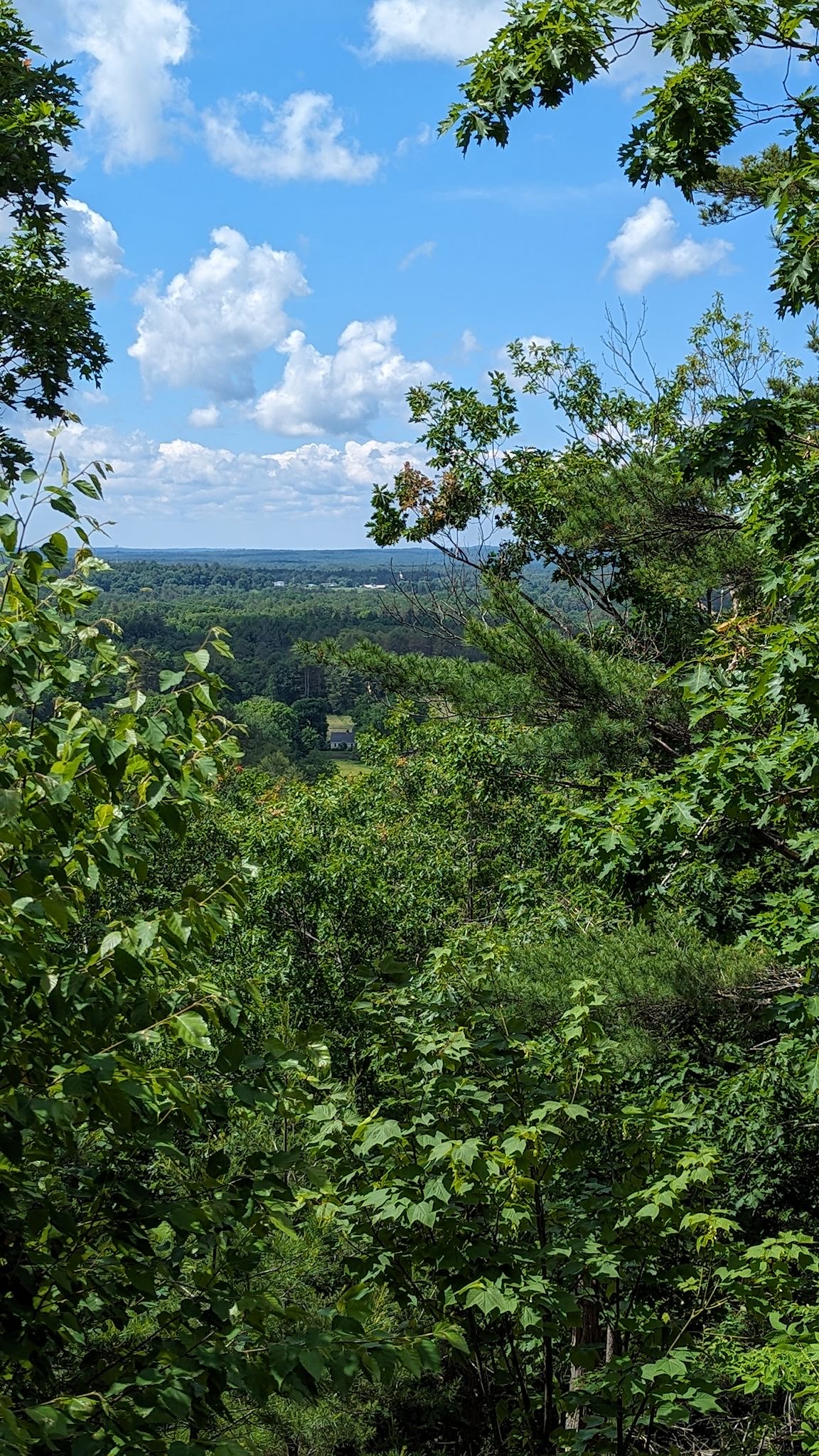
View from South Ridge

Having just spent a fair amount of our touring and visiting time within sight of the ocean, or at least the sound of the waves, for our next bit of exploration we looked around for a place to visit that would take us away from the coast a bit to see a different part of Maine, if possible staying away from larger towns because that’s our M.O. We didn’t want to get too far inland, though, since most of the rest of our visits are also along the coast. Well, what’s that green splotch there on the map? That’s Bradbury Mountain State Park. Set a course…

Continue reading “Bradbury Mountain State Park”

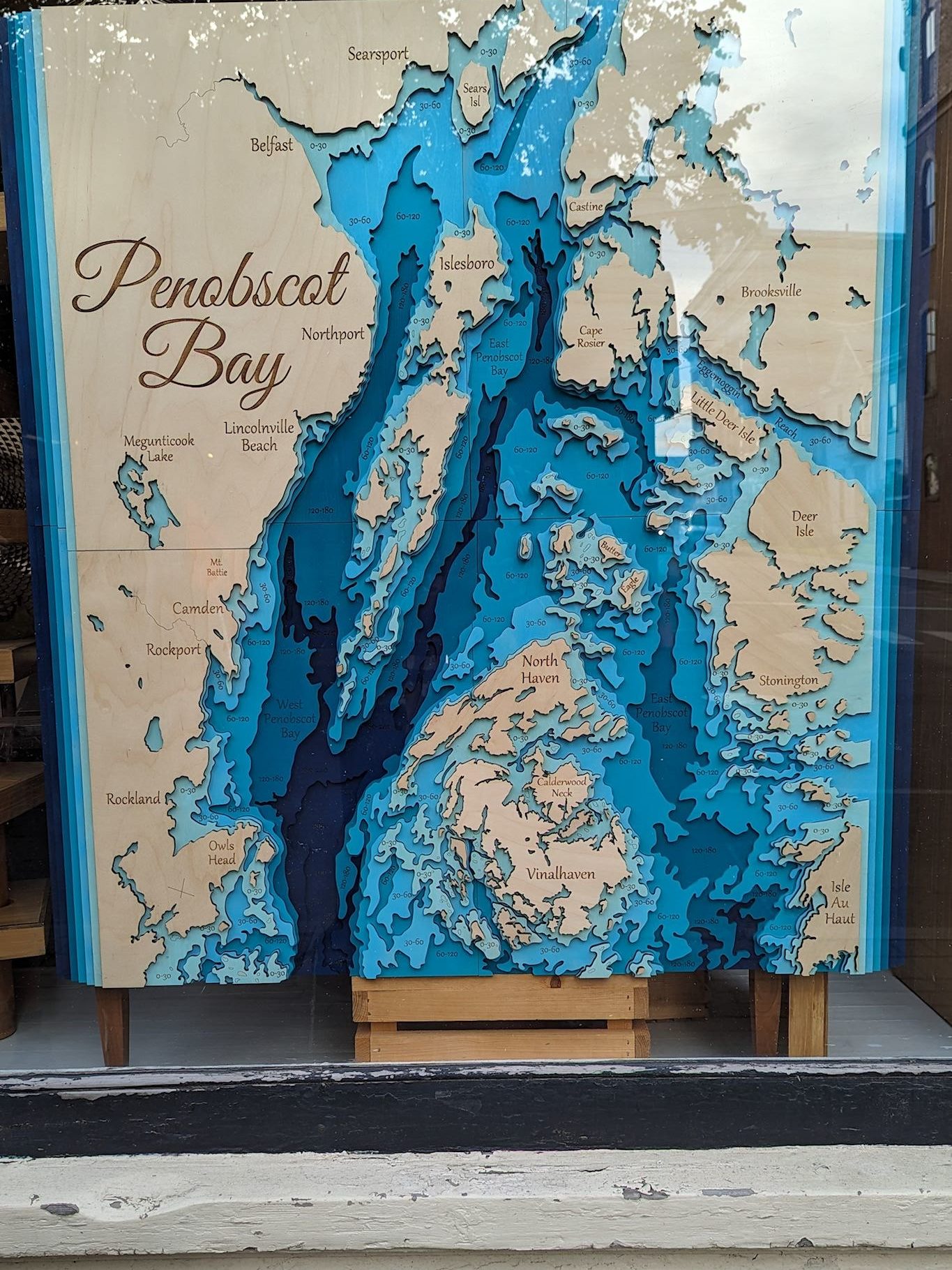
Penobscot Bay

We had plans to meet up with friends in Rockland and Islesboro, leaving us with a little free time to explore this bit of Maine on our own. I had never been to the Penobscot Bay area, and Doug hadn’t visited since his college days at Bates (in Lewiston, Maine). Researching places to hike, we found that the Camden/Rockland area on Penobscot Bay featured the kinds of hikes we most like – moderate climbs to higher elevation places with great views. We identified 3 hikes to do and found a nice, small campground convenient to all of them. And Penobscot Bay was quite convenient for meeting up with our friends.

Continue reading “Penobscot Bay”

Gaspesie National Park

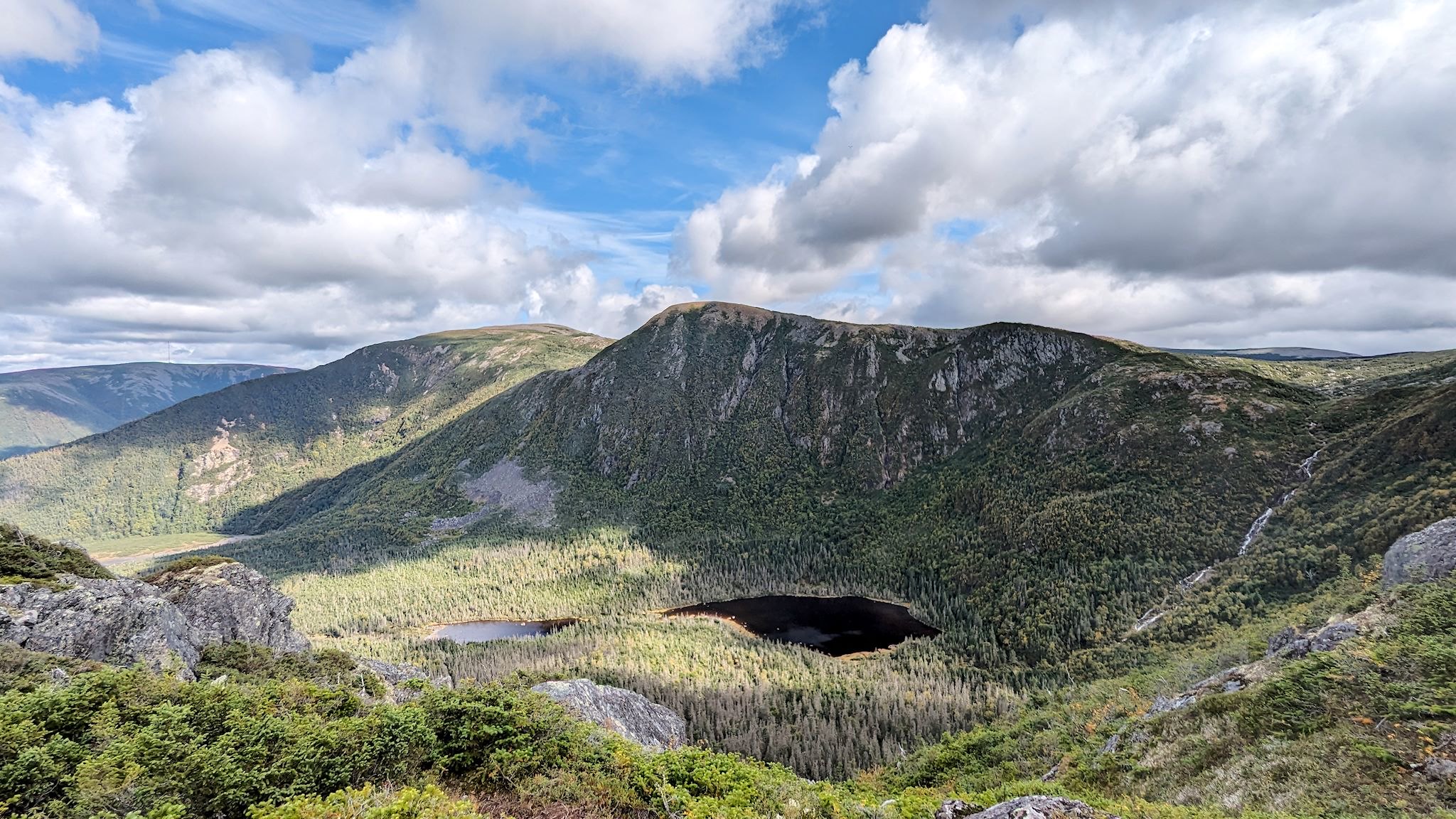
Mont de la Table/Tabletop Mountain

Parc National de la Gaspésie/Gaspesie National Park was created in April 1937 in order to permanently protect the Gaspésie caribou and the natural beauty and resources of the Chic Choc and McGerrigle Mountains, as well as the Rivière Sainte-Anne/Saint Anne River and its salmon. Part of the Applachian Mountains, the Chic Choc and McGerrigle ranges include the highest peaks in southern Quebec. The park is a mecca for hiking and is legendary for back country skiing.

What a surprise to learn that the Chic Chocs are also known as the Shick Shock Mountains…

Continue reading “Gaspesie National Park”

Forillon National Park

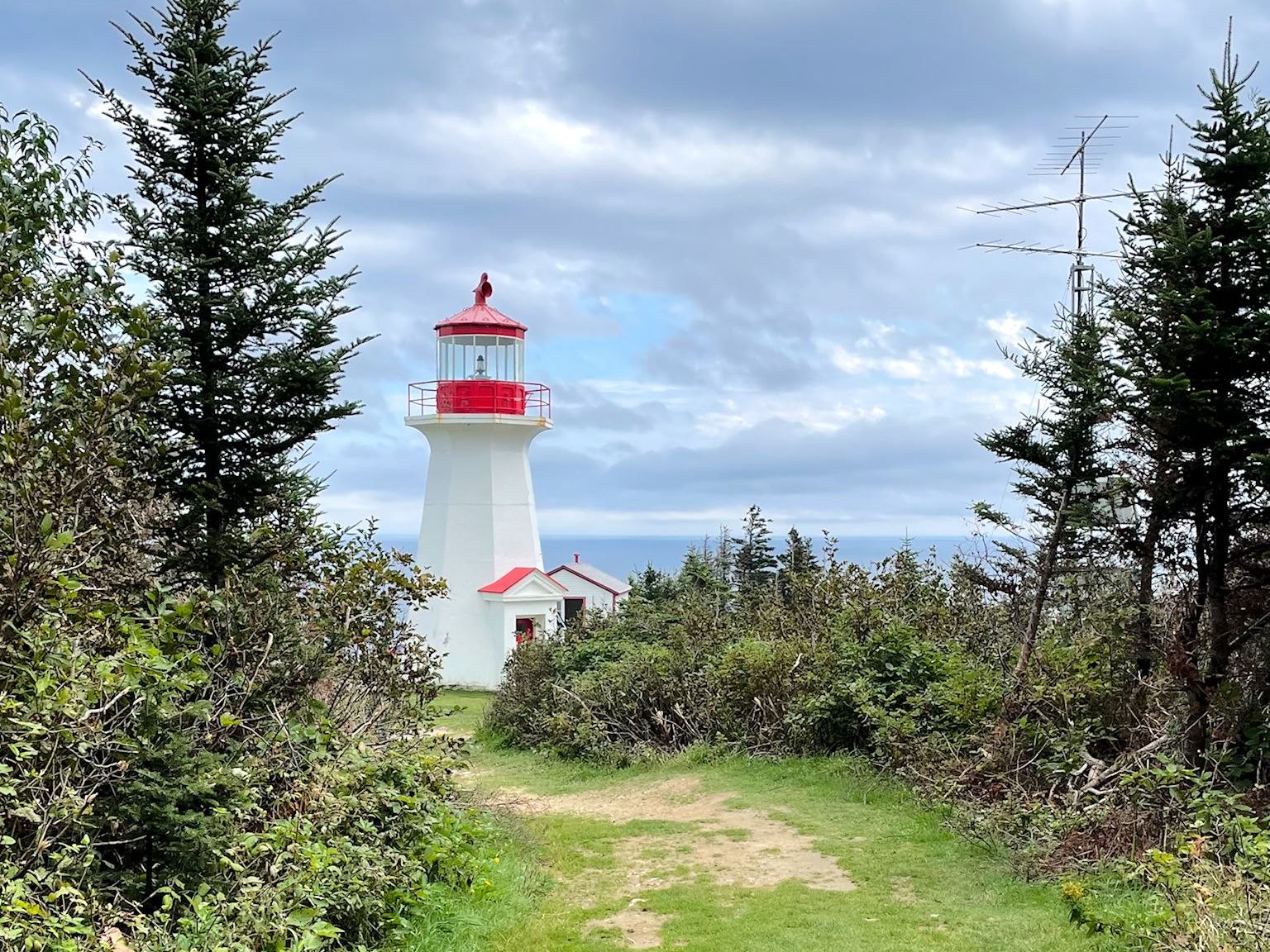
Gaspe Lighthouse

The Gaspe Peninsula is that long, thin blob of Quebec that extends along the southern shore of the St Lawrence River, to the north and east of Maine. This is funny – I knew it was on the St Lawrence, yet never noticed the south side of this peninsula before. The south side is along the Baie des Chaleurs (Bay of Warmth). I was surprised by the many similarities to the Cape Breton peninsula, though this makes sense given that the same geological events formed them both and both subsequently received similar shaping from the glaciers. The east side of Cape Breton/south side of Gaspe have a gentle slope to the sea/bay/ocean while the west/north sides are seemingly endless series of sharp cliffs plunging into the river/sea/gulf. And both have Parcs Canada national parks spanning the width of the peninsula. The road along the south side of Gaspe is dominated by beachy resort towns while the road along the St Lawrence passes through what appear to be mostly fishing towns with a few tourist offerings. There’s a 70-km/40-mi stretch where the road is sort of cantilevered into the St Lawrence at the base of the cliffs. The views are amazing! And as a bonus for the one who’s not driving (thanks Doug!), there are happy seals to be spotted sunning themselves on rocks all along the road.

Continue reading “Forillon National Park”

Cape Breton Highlands National Park

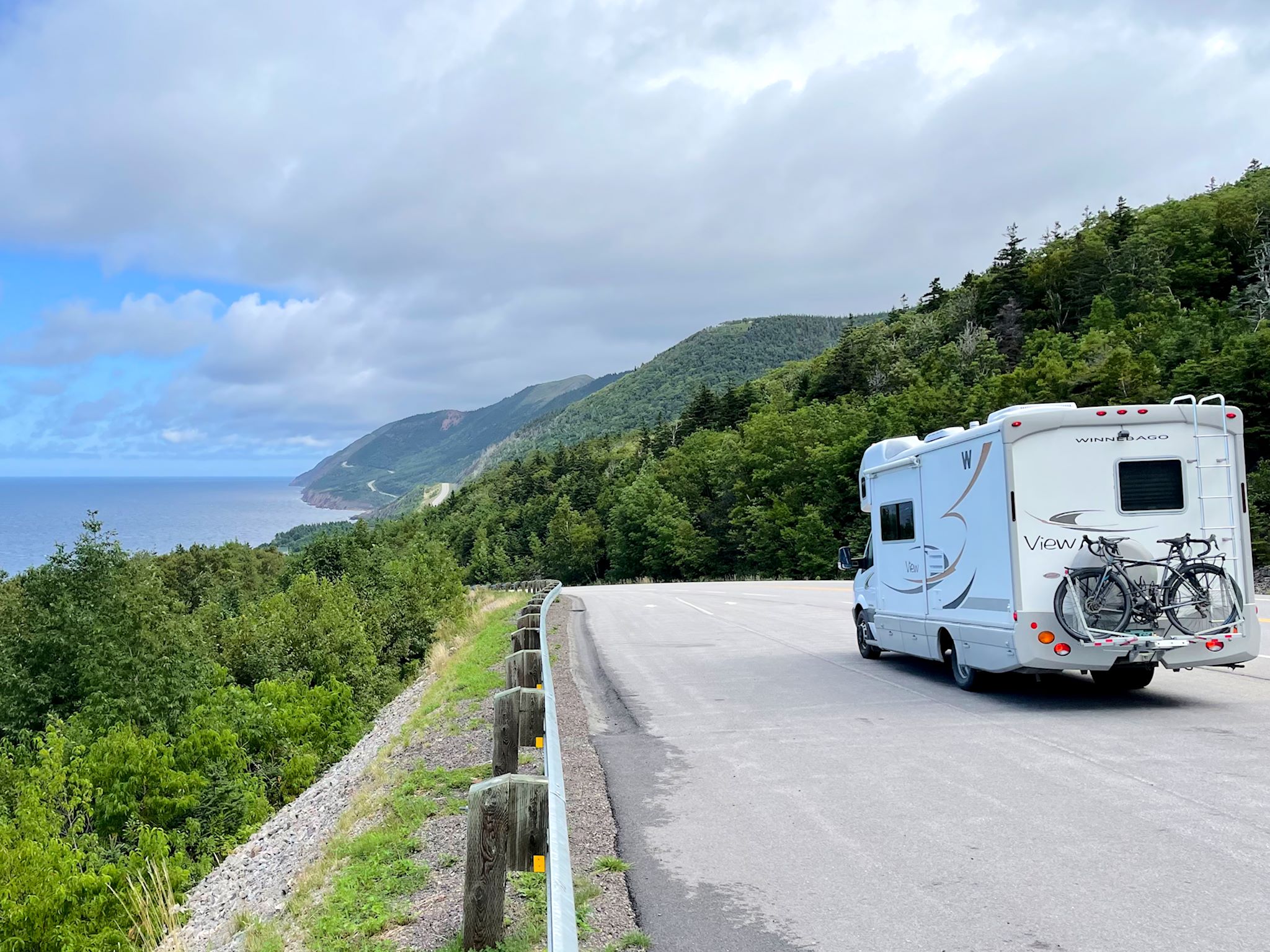
The Cape Breton Highlands comprise a tall, slightly rounded, mountainous plateau on the northeastern end of Nova Scotia. It was formed by the same collision of continents that created the unique mountains in Gros Morne National Park as well as the Appalachian Mountains, back in the really old days. Although not insanely tall at the highest point on White Hill (533 metres/1750 feet), the plateau drops dramatically from the edges – about 350 metres/1150 feet – to the ocean below.

Continue reading “Cape Breton Highlands National Park”