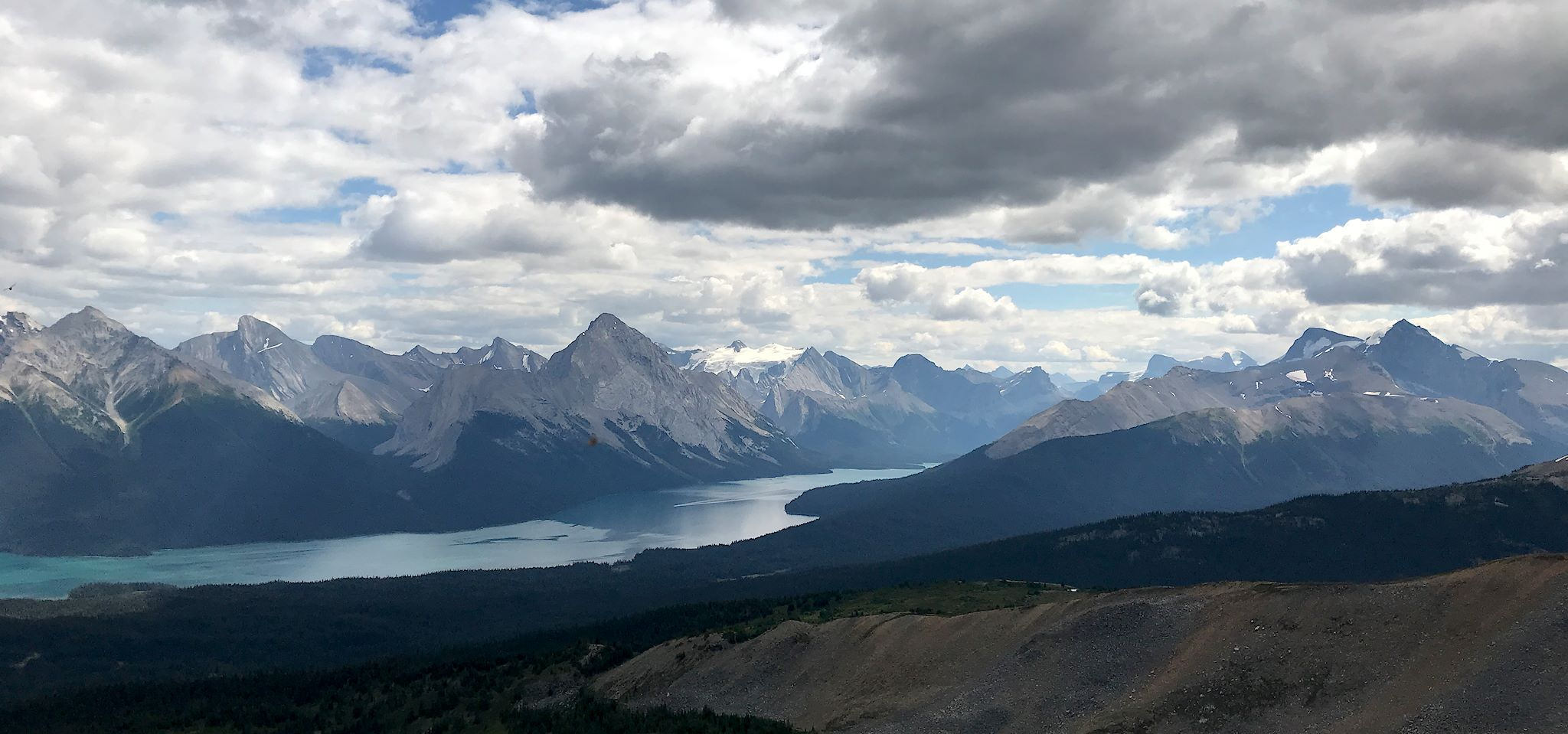
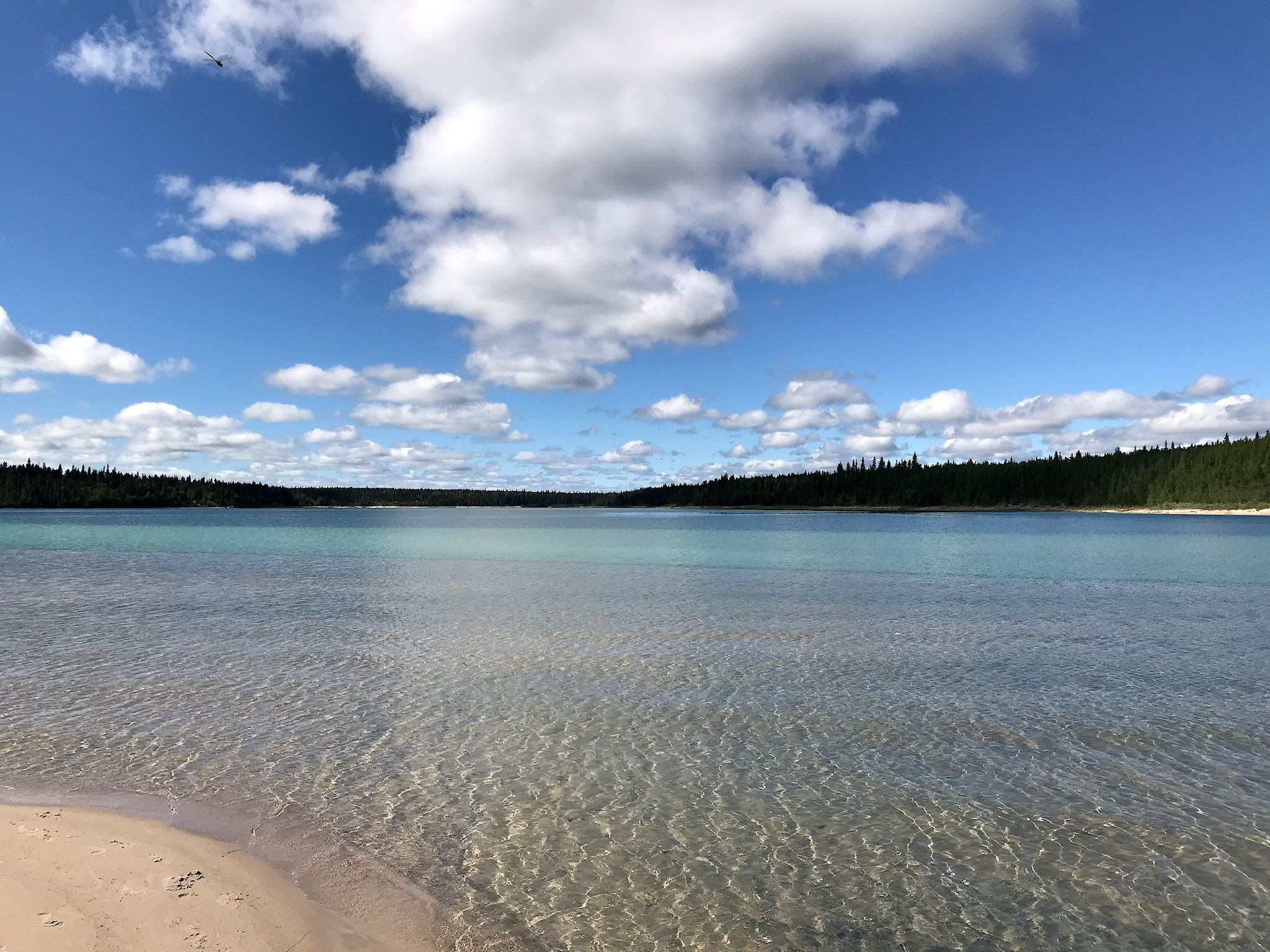
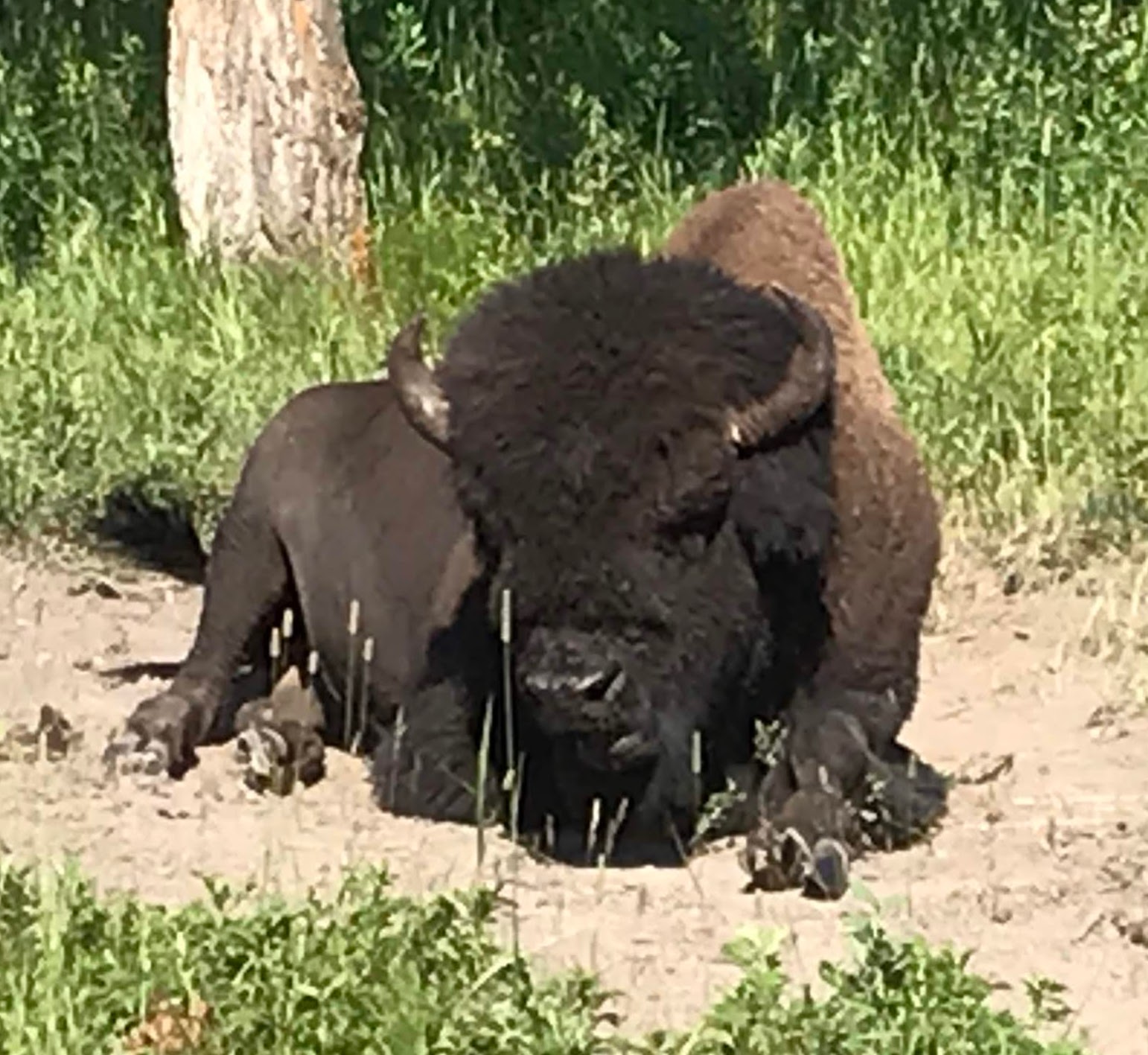
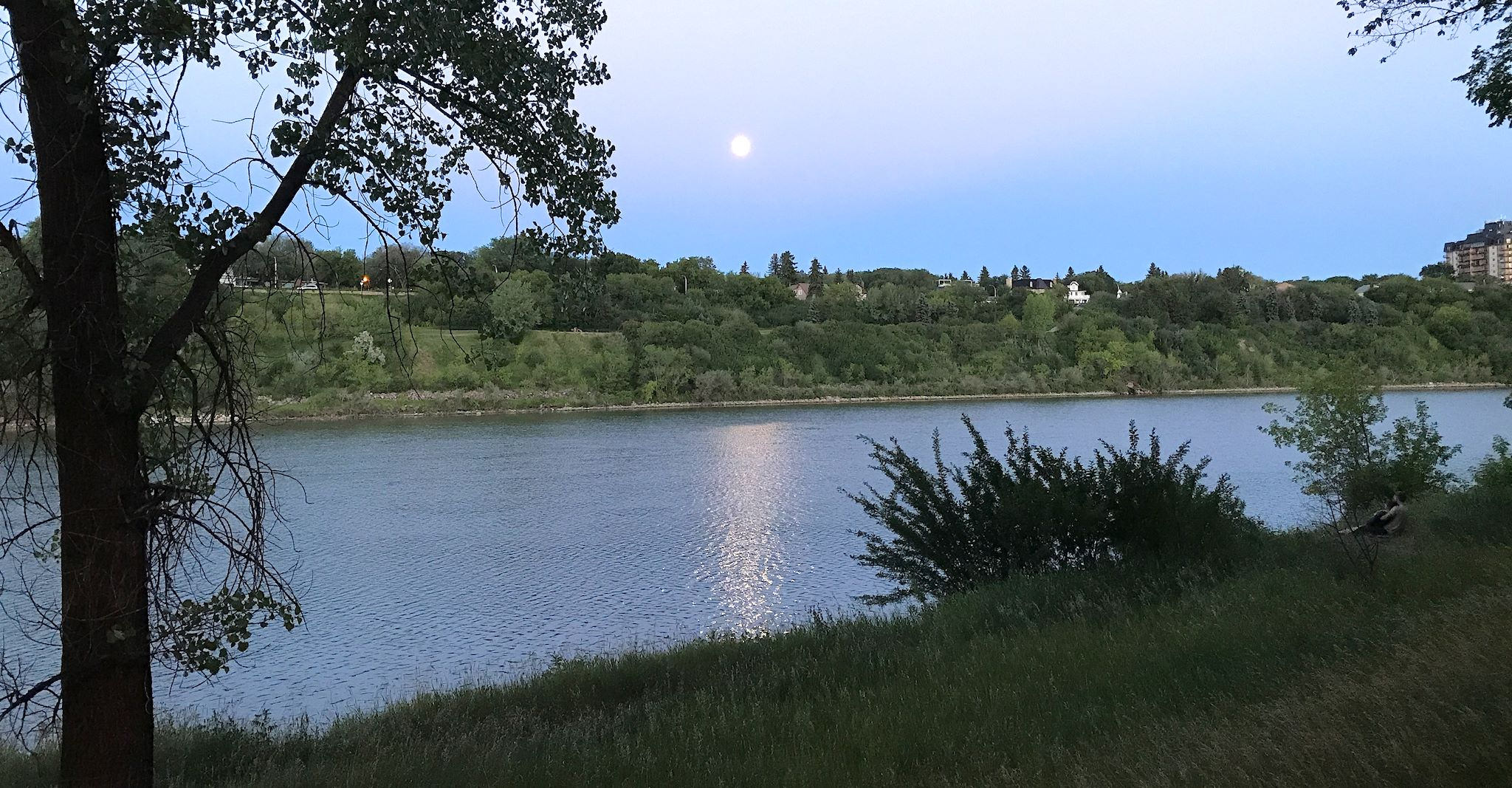
We do love mountains! Views, mountain air, hiking, mountains in your face with glimpses of remote river valleys and distant peaks; forests and critters big and small, tiny mountain communities and ski towns, (usually) cooler temps. We were on our way to see the Canadian Rockies and set a course for Jasper National Park, the northernmost of the parks there.
Wood Buffalo National Park is the largest national park in Canada and the fifth largest national park in the world.* How large? It’s nearly 45,000 sq km (17,300 sq mi). How large is that? By comparison, Yellowstone, one of the larger national parks in the US, is approximately 9,000 sq km (3,500 sq mi), just 20% of the size of WBNP. Like Yellowstone, WBNP is significant on a world scale. It’s the home of the largest free-roaming wood bison herd in existence, the only nesting area for the remaining wild population of whooping cranes and the largest freshwater delta supporting four waterfowl migration routes across North America. Oh, and it’s home of the world’s largest beaver dam, 850 metres (2,700 feet) wide.
The past three weeks have been packed with music, biking, urban adventures, exploration, new friends, old friends, and the usual off-the-wall stuff – the essentials for what makes us want to keep on traveling. Yet we were feeling the need to chill just a bit, maybe take a hike. So we headed for Elk Island National Park which features lakes, wildlife, hiking, and a small campground. It’s famous for its bison conservation work. I’m not making this up.
Between the park and the weather, Elk Island was exactly what we needed.
Our approach to trip preparation includes doing a bit of reading and talking to people about where we’re heading. Based on what we learn, we go to our trusty electronic map and add e-pushpins indicating friends and family, potential places of interest, and music festivals. When we left home, Saskatchewan was looking a bit thin with not quite 4 pushpins across the entire province – Prince Albert National Park, Doug’s guitar buddy TerryB, the Saskatchewan Jazz Festival in Saskatoon, and the name of an old drumming colleague (but no current contact info).
As we approached Saskatchewan, the sparsity of pushpins turned around in a fashion reminiscent of the classic (original series) Star Trek episode ‘The Trouble with Tribbles…’
We have a connection in Saskatchewan with my friend Terry, whom we met almost two years ago in Memphis. Terry lives near the city of Prince Albert, SK and he has a boat on Waskesiu Lake in Prince Albert National Park, so our week-long stay in the park gave us opportunities for a few convenient musical meet-ups.
Riding Mountain National Park opened in 1932 and is the oldest national park in Manitoba. It rises 457 meters (1,499 feet) above the pretty flat prairie in all directions. At its center is Clear Lake and the town of Wasagaming. Its most recognizable feature is a line of cliffs along the eastern border formed by the Manitoba escarpment.
We planned to visit. Our new friends from the music festival confirmed it was a must see in Manitoba. We set a course.
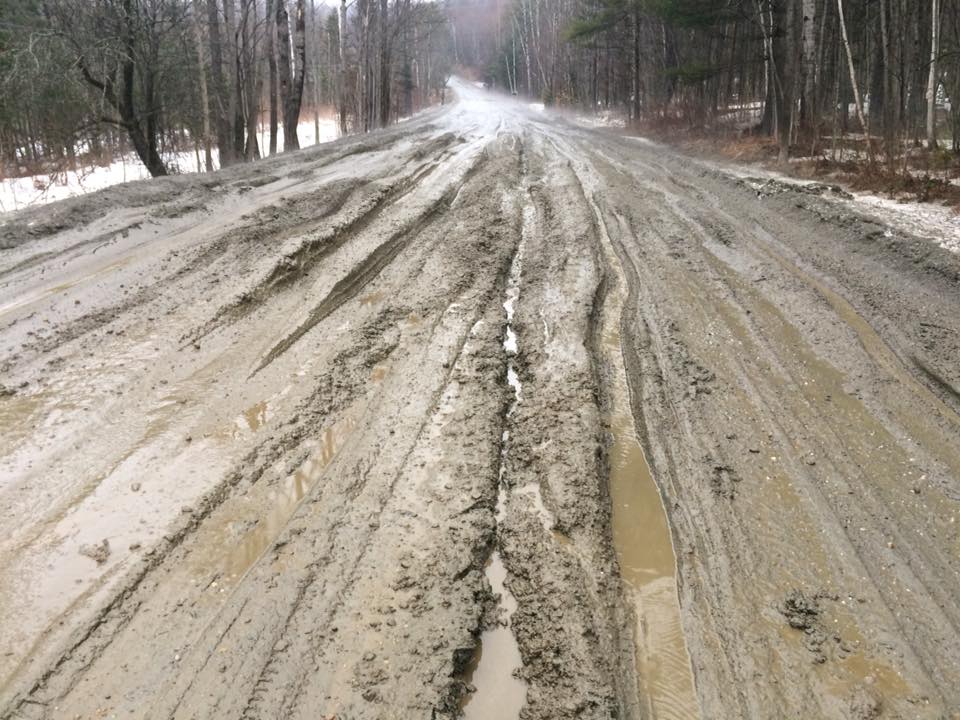
Mud Season in Vermont – photo courtesy of #roxgapstat
The end of Vermont Mud Season can only mean one thing… it’s time to get ready for the next trip!
We’ve been a bit distracted because the late-season skiing has been spectacular, and we’re still mulling over and refining our ideas for the next adventure. So let’s begin this blog season with a quick recap of the 2017 trip.
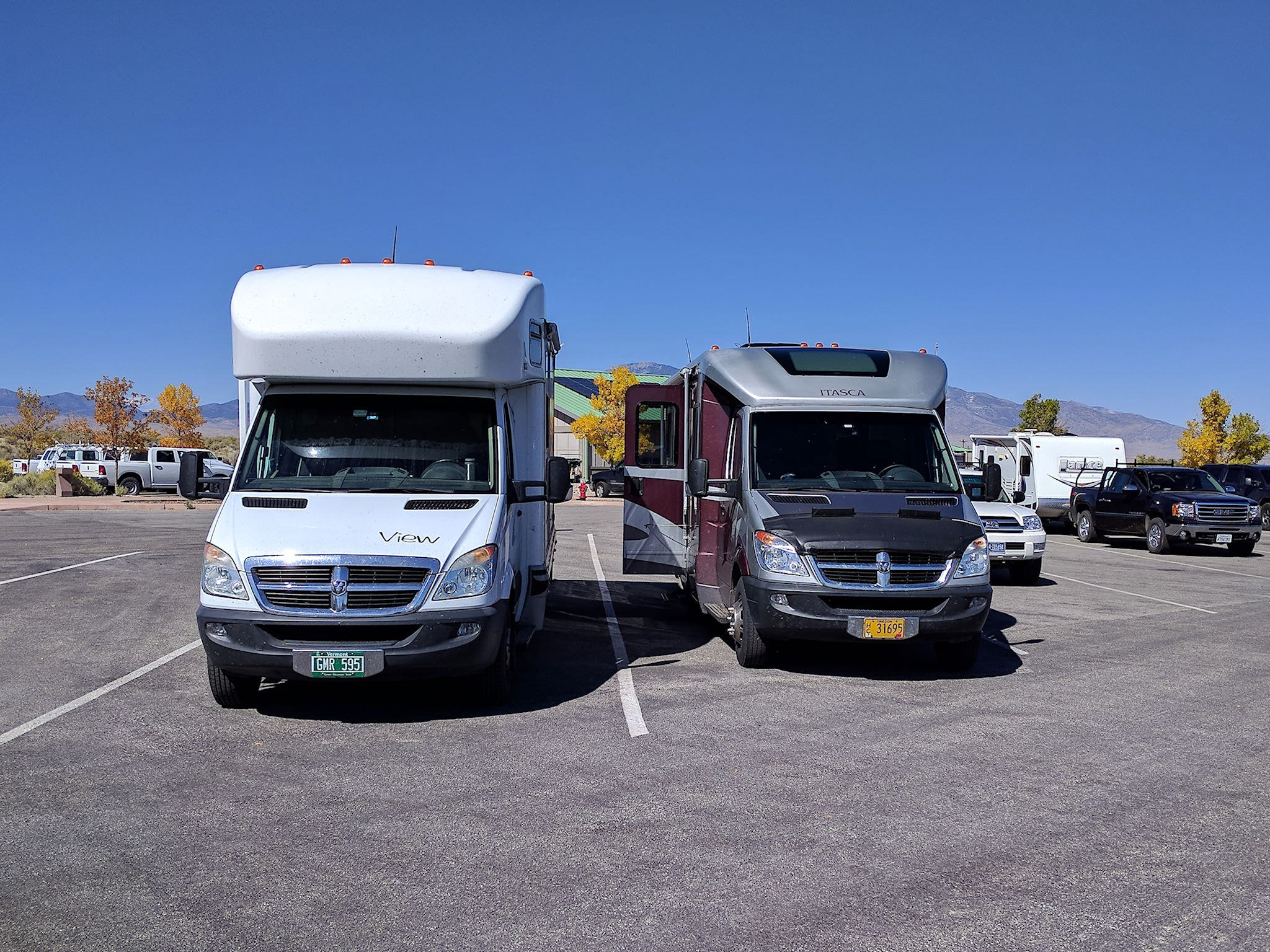
The Destinator (L), Ruby (R) at Great Basin N.P. Visitor Center
The last time I wrote about Dana and Muffin, we’d just visited with them in Eugene and I talked about how they’d helped to inspire our conversion from ordinary folks into camper-owning road warriors. Here’s kind of an update to that.
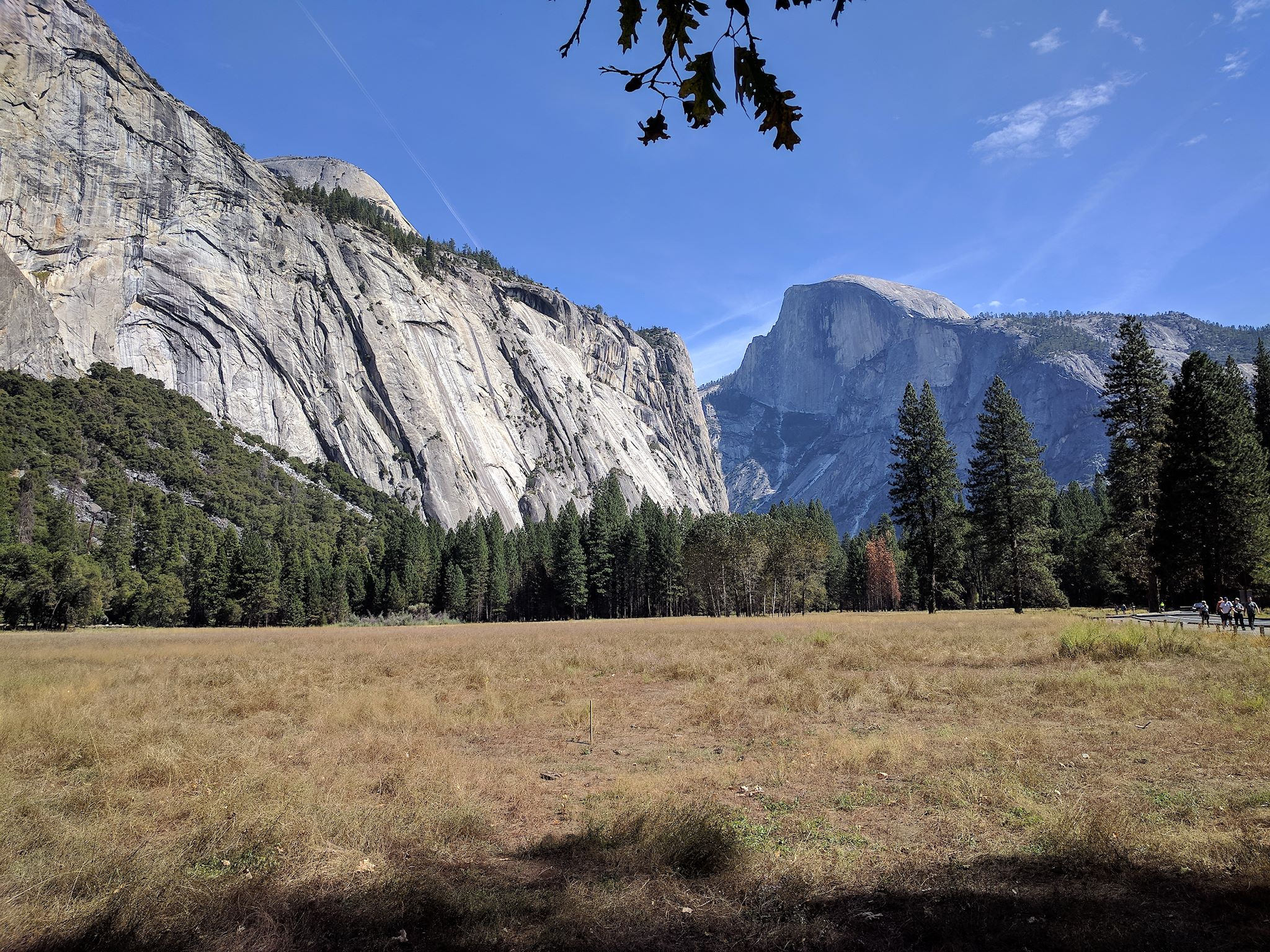
Yosemite has been on both of our bucket lists for a long time. We didn’t think our schedule would allow us to visit this year. However, our 2 loops through No Cal provided an interesting opportunity. To get from Grover Beach to Tahoe City, the shortest ‘no interstates’ route took us through Yosemite. And we could have 2 free days. As with most of the larger and more popular National Parks, campsites are are sold out months in advance. I checked for cancellations and found exactly one, in Yosemite Valley, for the days we’d be passing through. The universe spoke. I snagged the reservation.
For those of you who read most of our posts or periodically peek at our map, you’re likely thinking, ‘If they’re going from Oregon to California, why are they heading north?’ Hmmm…