Pasadena, CA

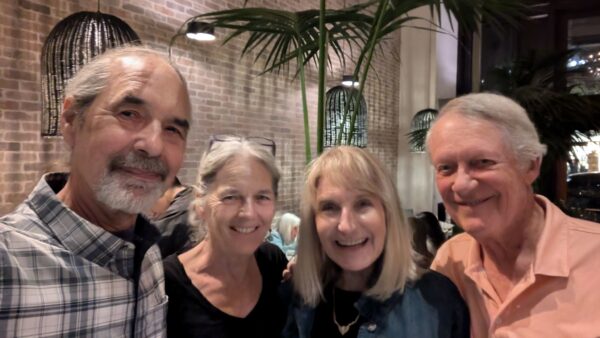
Doug, Sue, Colleen, Dwight

When we moved to Connecticut in 1990, I worked on a team at The Travelers that was lead by Dwight. A firm believer in team-building, he and his wife Colleen hosted several team dinners at their home in Essex, CT, and we got to know Colleen as well. For the next few years, I thoroughly enjoyed the ground-breaking work we did in managed care. and I learned so much – about the healthcare/health insurance business, business politics, project management, people management, team-building – all skills that served me well when I later started my own business. Thank you, Dwight!

Continue reading “Pasadena, CA”

Sequoia & Kings Canyon National Parks

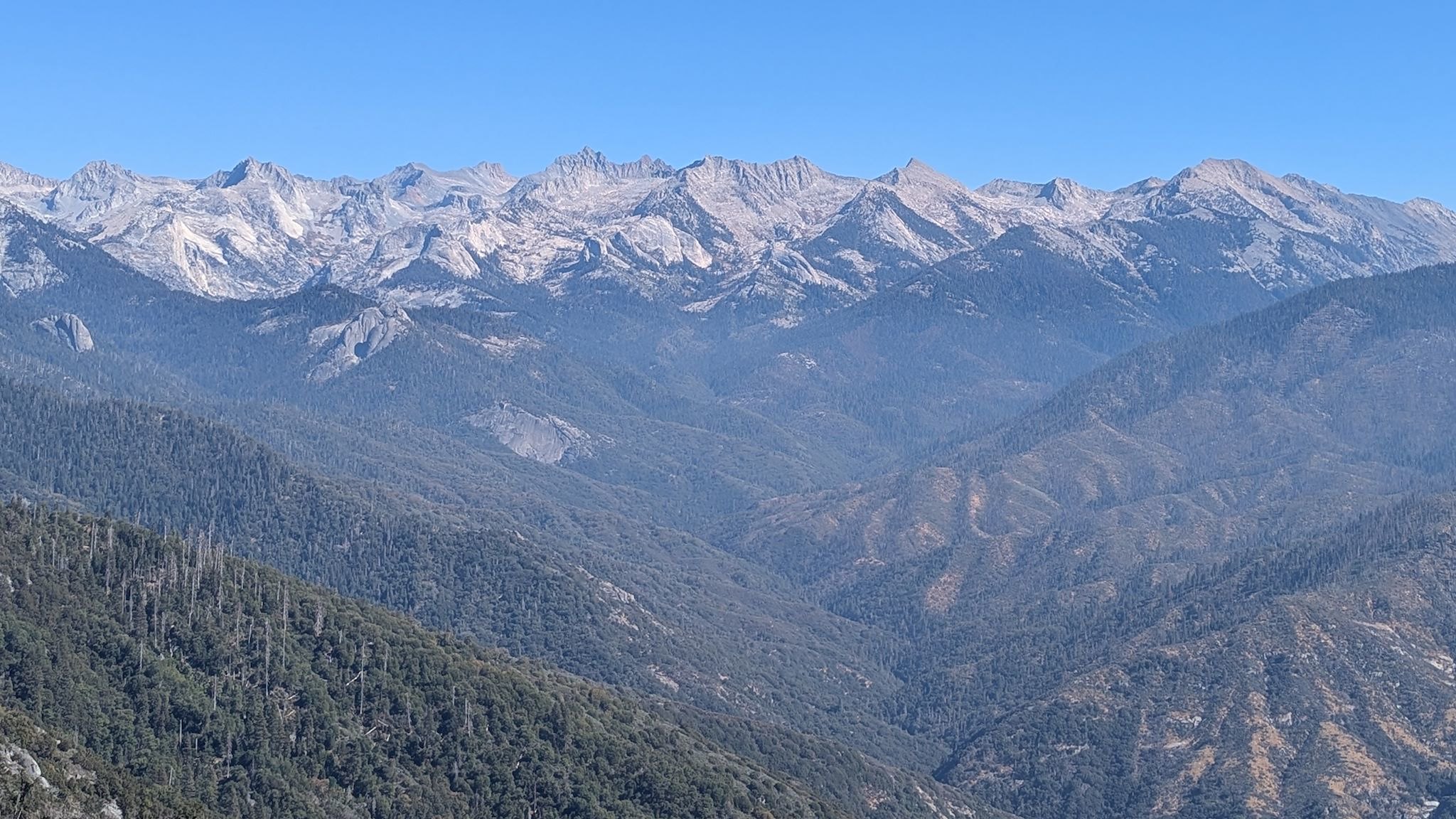
The Great Western Divide of the Sierra Nevada and
headwaters of the Middle Fork of the Kaweah River

Sequoia National Park was established in 1890. This park includes Mt Whitney, the highest point in the lower 48 states at 14,505 feet above sea level, as well as 5 of the 10 largest giant sequoia trees. General Grant National Park was also established in 1890 to feature and protect giant sequoias, including the General Grant Tree. In 1940, in an effort to protect more of the unique resources of the area – the 14,000-foot peaks of the Sierra Nevada, Kings Canyon 10,000 feet below, as well as old-growth forests and other large groves of giant sequoia trees – the Kings Canyon National Park was created, incorporating General Grant National Park. Since 1943, the 2 national parks comprising nearly 1 million acres have been adminstered together as Sequoia & Kings Canyon National Parks.

Continue reading “Sequoia & Kings Canyon National Parks”

Kouchibouguac National Park

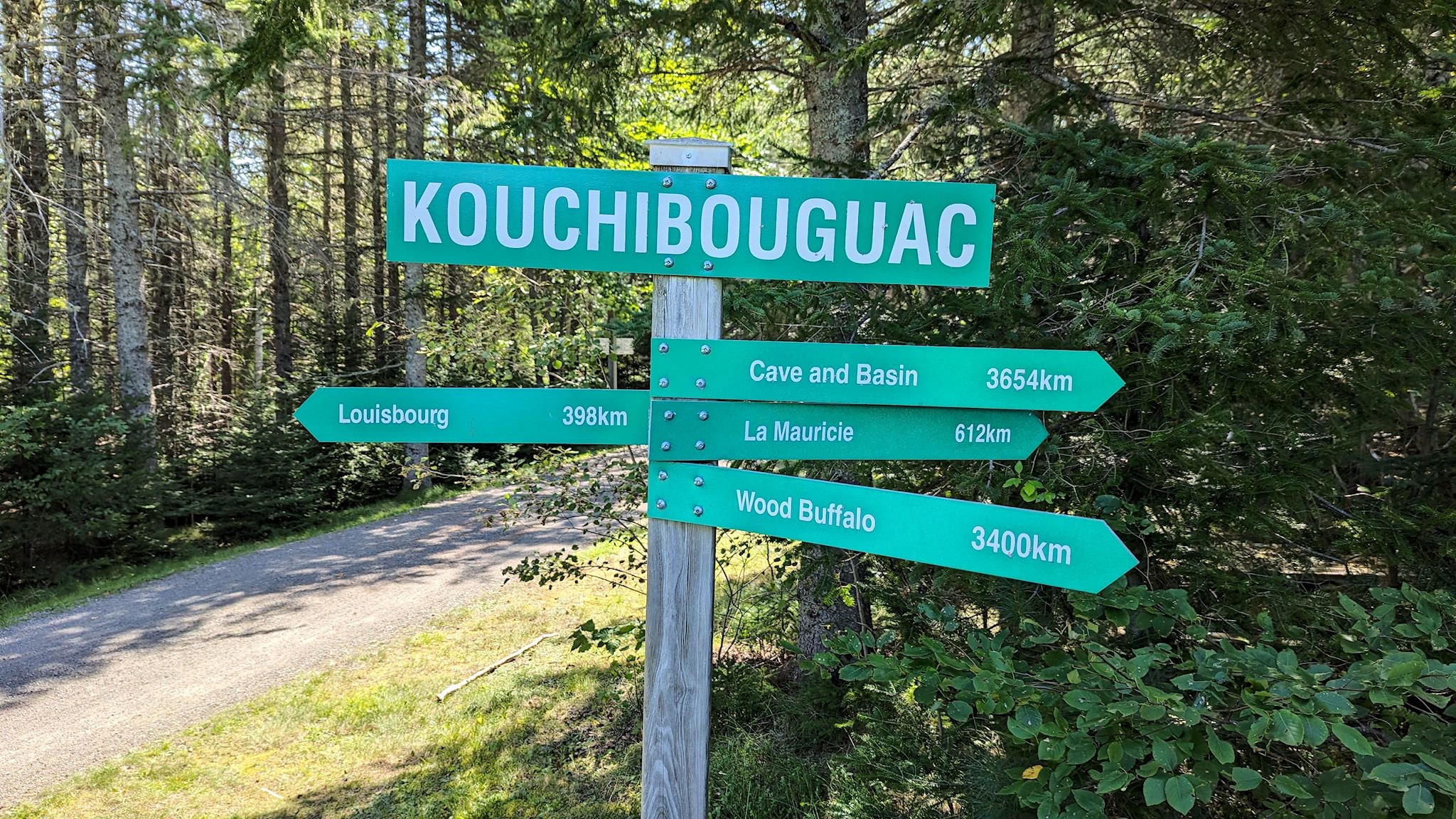
The Kouichibouguac National Park was designated in 1969 to preserve and protect a unique piece of New Brunswick’s Coastal Plain Ecosystem. The park has barrier islands that change with the tide and the wind, short sand dunes that are equally dynamic, lagoons, estuaries, salt marshes and tidal rivers that host aquatic and sea bird populations, ancient bogs and fields, and forests regenerating from past timber harvests. Its name is hard to spell, and pronouncing it is difficult enough that we needed coaching – fortunately, this was available from the helpful park staff.

Continue reading “Kouchibouguac National Park”

Bonavista Peninsula

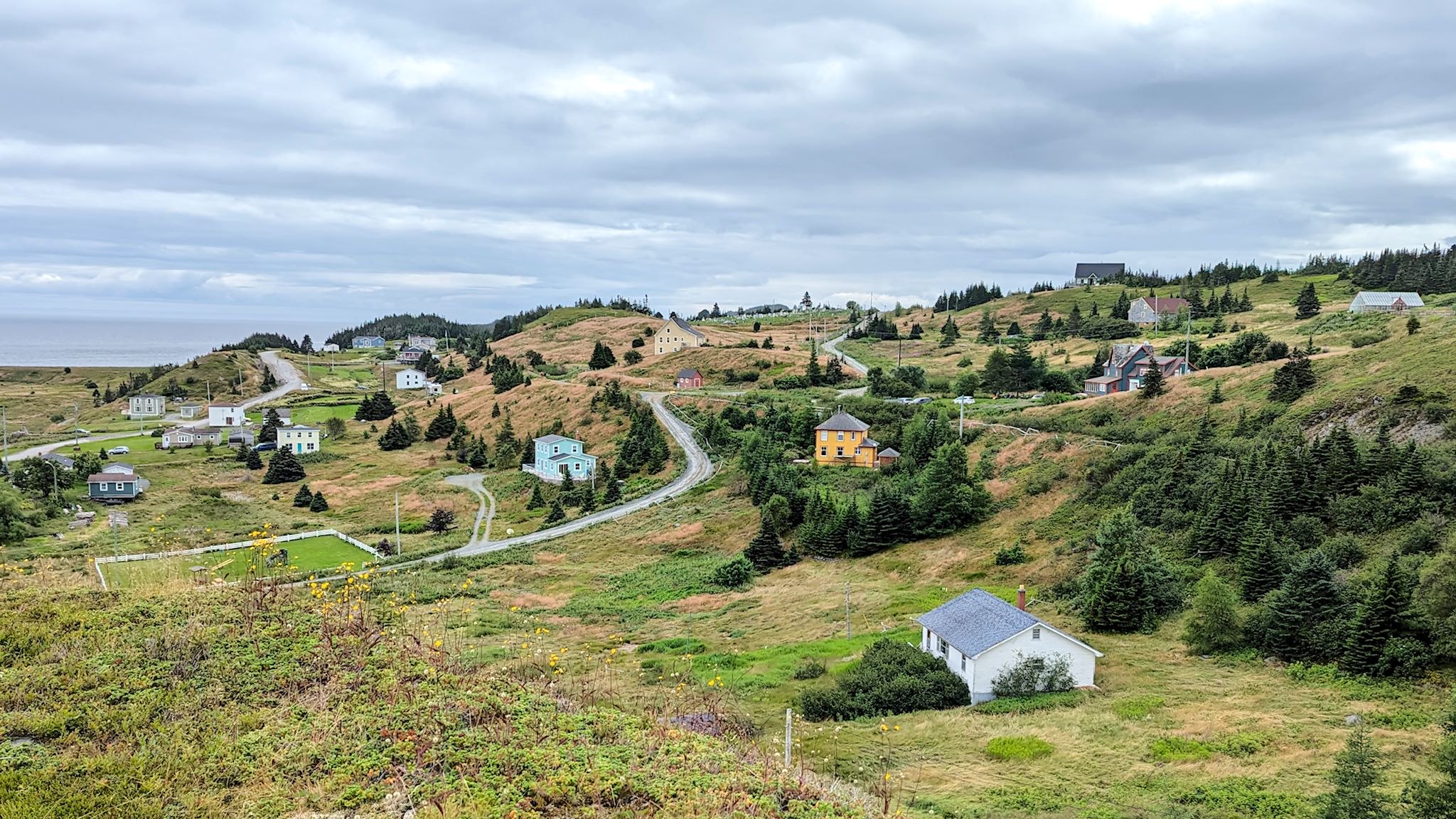
Port Rexton, NL

The Bonavista Peninsula contains some of the oldest settlements on the island of Newfoundland. Though definitive proof has been elusive, Italian explorer Giovanni Caboto (aka John Cabot, while he was sailing for the king of England) is reported to have landed at Cape Bonavista in 1497, claiming this part of the New World for his sponsor. (Fortunately, we have better records of our own travels, and definitive proof of our visit in 2023 will also be presented here, though we’re claiming nothing.)

Continue reading “Bonavista Peninsula”

St John’s NL

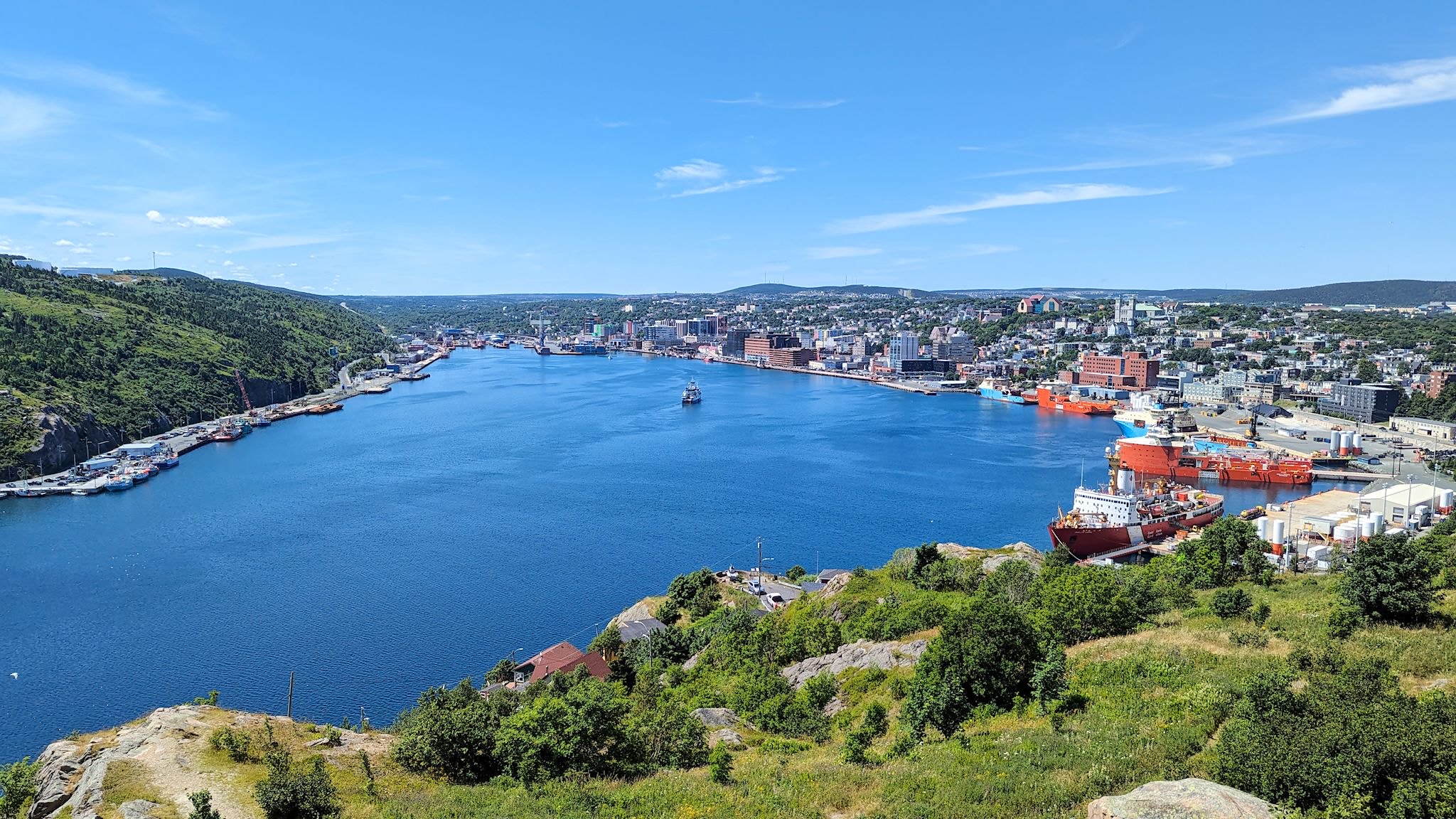
St John’s Harbour

At the southeastern corner of the island of Newfoundland, St John’s is the largest city in Newfoundland and Labrador. At this moment, about 530,000 people live in NL, and 212,000 of them (40%) live in the St John’s metro area. [By contrast, just 26,650 (5%) live in all of Labrador, though Labrador accounts for 72% of the land area of the province.] Anyway, statistics aside, we were eagerly anticipating our visit to the urban St John’s for several things we would find there: music, history, hiking, sightseeing… and a Sprinter service center.

Continue reading “St John’s NL”

Festival de la chanson de Tadoussac/Tadoussac Song Festival

Tadoussac was the site of the first Canadian trading post along the St Lawrence in 1599. Its location where the Saguenay River and fjord meets the St Lawrence River made it an ideal trading site between the European and indigenous people of the region. The location is also beautiful! Current-day Tadoussac, home to fewer than 1000 people along with scores of whales, has become a popular destination for tourists (many in search of a glimpse of said whales) and second homeowners from the more southern parts of Quebec. It was also the site of the 37th annual, 4-day Festival de la chanson de Tadoussac (Tadoussac Song Festival).

Continue reading “Festival de la chanson de Tadoussac/Tadoussac Song Festival”

Quebec City, partie 2 – famille et la vieille ville

Normand, Doug, Sue, Suzanne

Mon arrière-grand-père Achille Fréchette a amené sa femme et ses 9 enfants de Tingwick, au Québec, dans le nord du New Hampshire pendant la dépression car il n’y avait pas d’emplois dans l’est du Canada, tandis que les usines du New Hampshire avaient des emplois et embauchaient. Alors que mon grand-père Félix et tous ses frères et sœurs sauf un sont restés en Nouvelle-Angleterre, son frère Orad est revenu au Québec et s’est installé dans la ville de Chicoutimi. Pendant mon enfance, j’ai souvent entendu mon grand-père et mon père parler d’Orad, que je n’ai jamais rencontré, et à un moment donné, j’ai appris qu’Orad avait une fille nommée Suzanne qui était juste un peu plus âgée que moi.

English version follows, or click here.

Continue reading “Quebec City, partie 2 – famille et la vieille ville”

Manitoulin Island

Lake Manitou from the Cup & Saucer cliffs

Look at any map of Ontario, and there’s a curious island at the north end of Lake Huron. It’s Manitoulin Island and we’d never heard of it. And it has a dotted line attached to its southern shore. Ferry! This needed some research.

It turns out Manitoulin Island is the largest island in a freshwater lake in the world. Interestingly, Manitou Lake (in the photo above) is the largest freshwater lake on an island in the world. The population (13,000) is a healthy mix of people of indigenous and European descent. Politically and culturally, the island is in North Ontario. Geologically – the Niagara Escarpment runs through it – it’s an extension of South Ontario. There are only 2 ways on or off the island – a swing bridge from Little Current to the mainland, and a ferry to and from the Bruce Peninsula that runs only in the summer. It sounded to us like a unique place worthy of exploration…

Continue reading “Manitoulin Island”

The Outer Banks

An invitation to explore…

We’d never been to the Outer Banks. What are these things? What’s out there? They are a chain of long, thin islands shielding the coast of North Carolina, although they’re not normal islands. They’re more like sand dunes, evolving by the minute from the wind, tides and waves, and slowly shifting the Outer Banks south and west over time. They’re long, over 100 miles (the inlets between the islands close up and form anew in different places with time and the storms), and quite narrow, from a few hundred feet to 3 miles wide, and they are low, with an average elevation of 12 feet above sea level.

Continue reading “The Outer Banks”

Vancouver Island, part 2 – west, interior, lower

Waves coming into Long Beach

Vancouver Island is about 1.5 times the size of Vermont in both area and population, with a comparable amount of geographic diversity. Remembering that we’ve chuckled about travelers planning to visit Vermont in 2 days (‘It’s so small!’), we allotted 10 days to explore Vancouver Island and found it wasn’t quite enough – there’s so much there!

The coasts, the ferries, the forests, the farms, orchards and vineyards… The small towns, the city of Victoria… The hiking, kayaking, biking, surfing… (Surfing?) The rainforest with giant cedars, Douglas firs, ferns and moss, the palm trees… (Palm trees?) Here’s more on the lower part of the island…

Continue reading “Vancouver Island, part 2 – west, interior, lower”