
We had to get across upstate New York State and we only had two days. We hoped to find somewhere interesting to stop for the night. Ithaca!

We had to get across upstate New York State and we only had two days. We hoped to find somewhere interesting to stop for the night. Ithaca!

So yes, the most direct route from Kalamazoo to Vermont goes through South Ontario, from Detroit to Buffalo. We’d not yet visited that part of Canada. And we had the time for one more adventure!
Of course, as is our nature, the first thing we did was make the direct route a little less direct… This tiny slice of Ontario touches three of the Great Lakes. We can see them all! And to do so, we used our proven-based-on-vast-experience, late season approach to planning – where can we find places to stay.
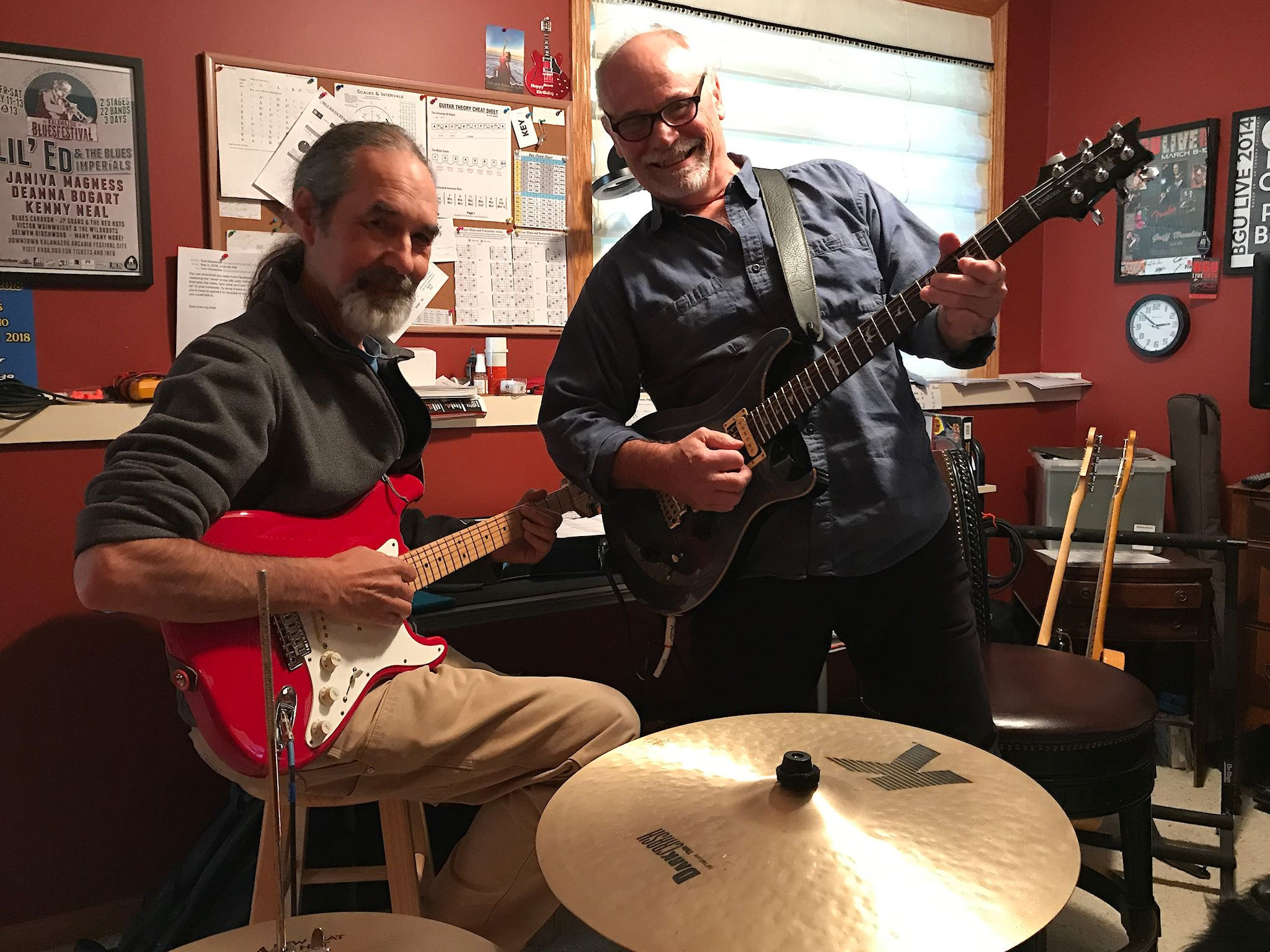
The more we travel, the more places there are that we have been to, and the more likely we are to cross a path we’ve followed before. Such was the case as we figured how we were going to get from St. Louis to Vermont. Suppose we went up to Michigan, then back into Canada and around the north side of Lake Erie? Well, looky here, that path might go right by Kalamazoo!
We have a regular RV parking spot in St Louis.
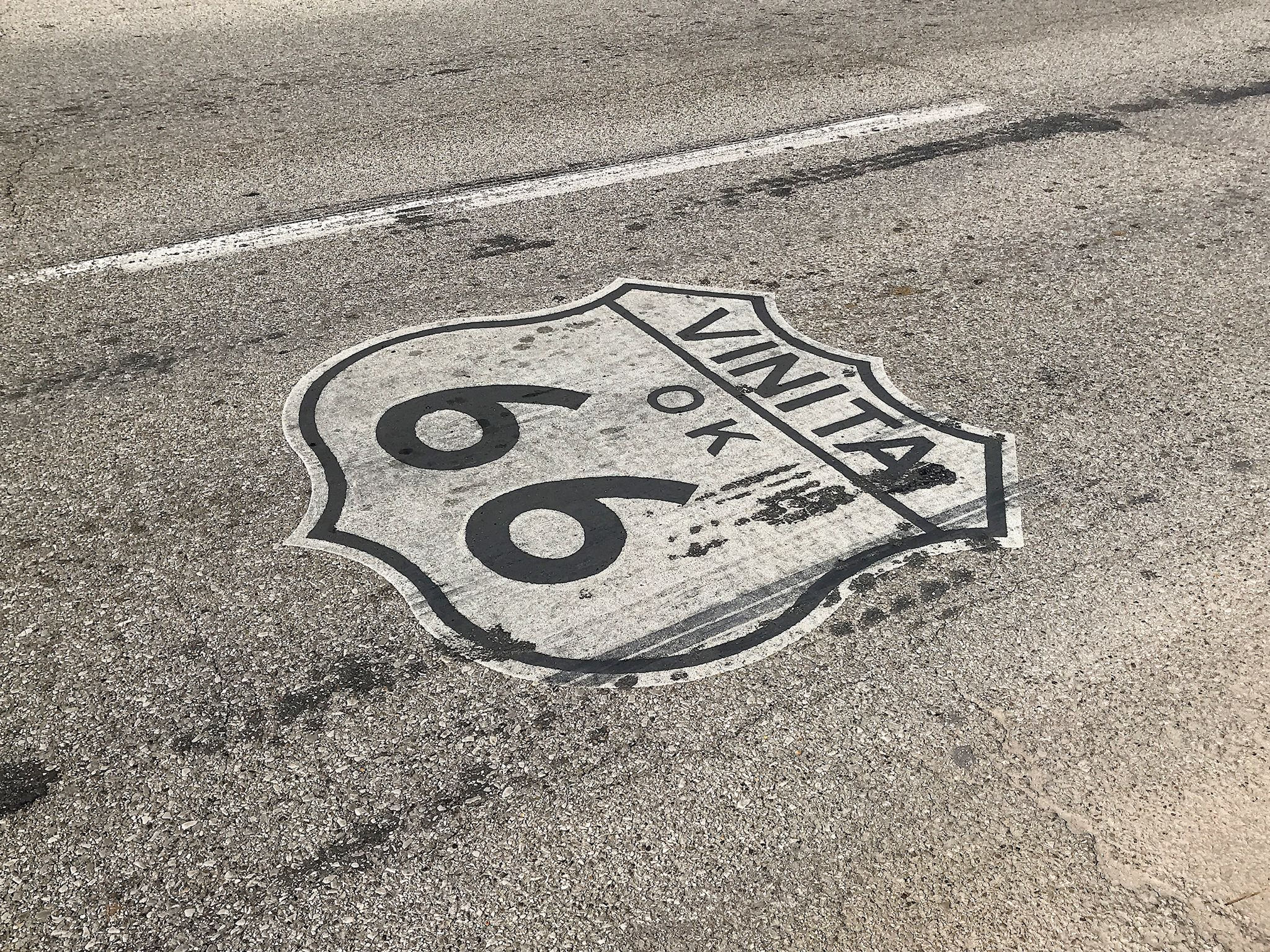
Less than 10 miles outside of Tulsa, we started seeing signs for Route 66. Our band back home does that classic song! With so much of our travel on back roads, we’ve crossed Route 66 at least a few times in Arizona and New Mexico. As we rolled out of Tulsa we recognized that for the first time we’d be traveling right along the storied route. And it goes through St Louis – like it says right in the song!
So we started following signs. This could be fun!
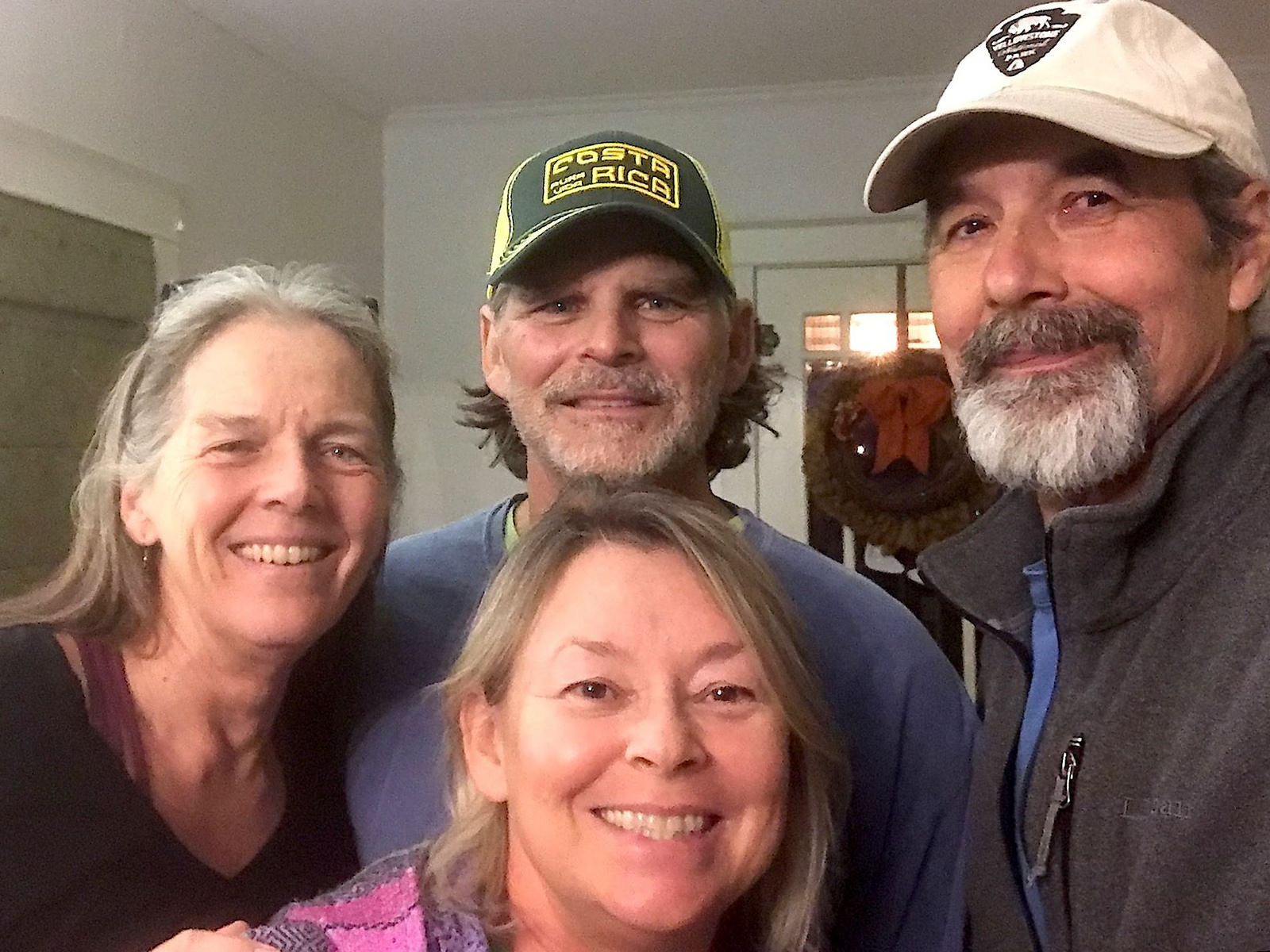
When my uncle Joe retired from a career in the military, after having lived in many interesting places around the world, he moved back to our small home town in NH. So, unlike Joe’s older sons Mike, Gary and Steve, Dave and I graduated from the same high school. Dave was only 11 when I left our home town, so I never really got to know him back then. During his own stint in the military, Dave met Mardena. They married, moved to Oklahoma and raised 3 kids. Like his brothers, Dave and I had only seen each other once or possibly twice as adults.
We contacted Dave and Mardena on our trip in 2016 hoping to visit – we could easily head to Oklahoma from southeast Colorado. *SIGH* They had just retired and moved to Costa Rica.
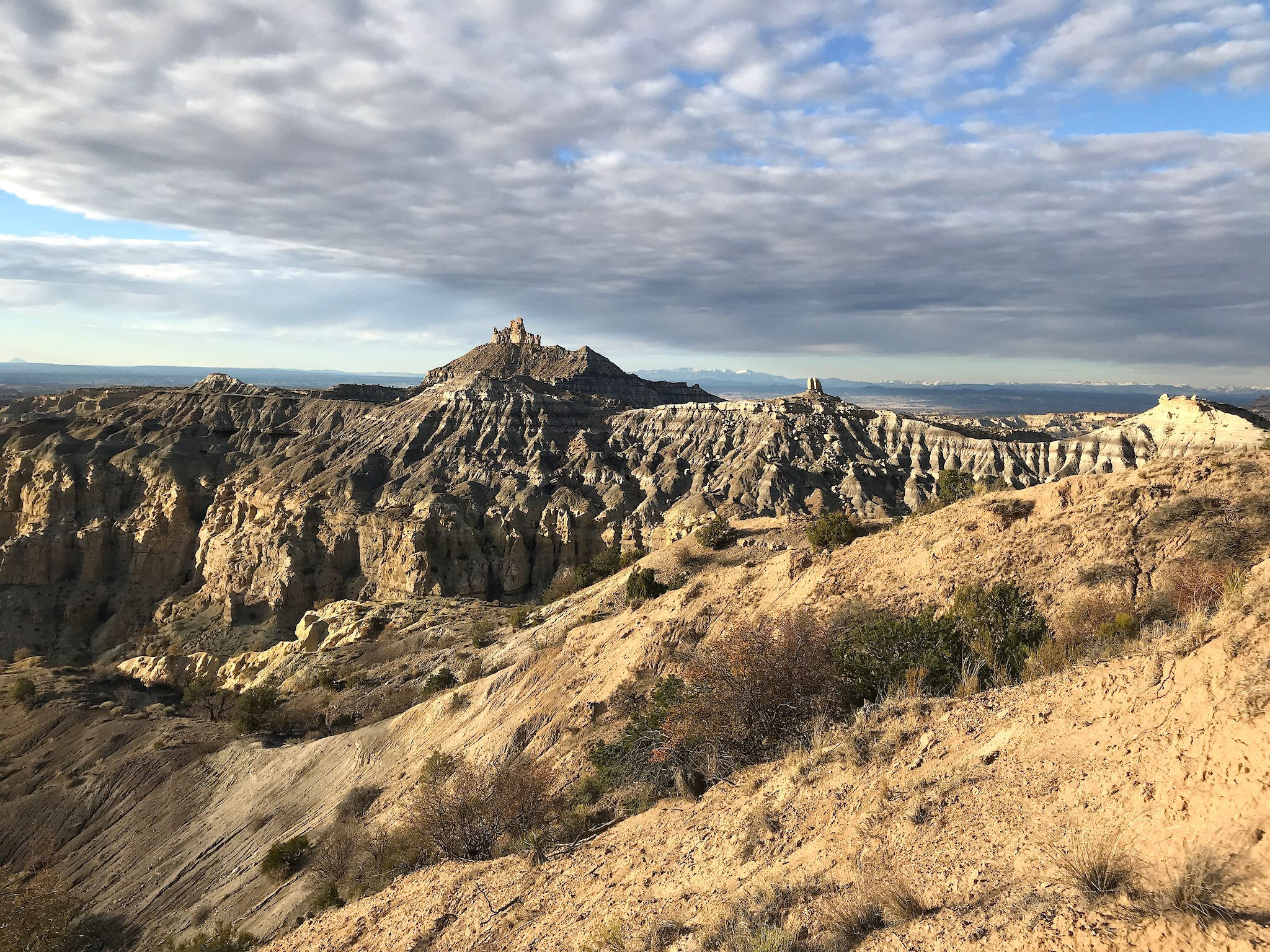
As we entered northern New Mexico on our way to Albuquerque to visit friends, we received word that, sadly, our friends had to cancel our visit. We’re very sorry to miss them. Now, at this point in our trip we really are heading for Vermont, so rather than continuing south to Albuquerque, we looked around for a place where we could stop for the night and consider route options.
The nearest campground was called Angel Peak. It was a few miles up a dirt road, run by the Bureau of Land Management, and it was free. And it was… Wow!
Continue reading “A slice of New Mexico and a speck of Texas”
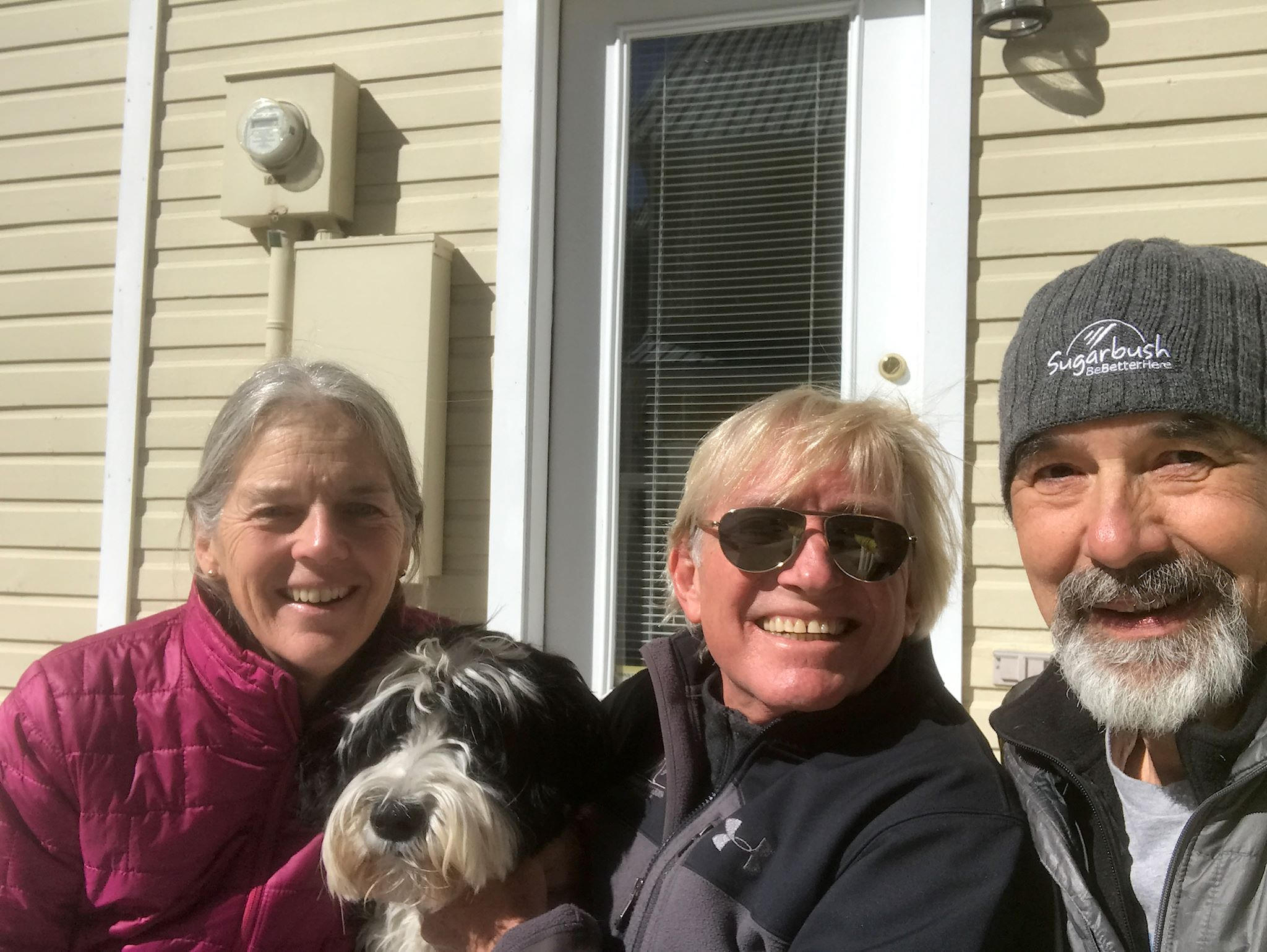
Howard was the first snowboarder we ever got to know. The year was 2000 and a dedicated group of us were all skiing with the Black Diamond Club, a Sugarbush program for expert adult skiers – and one snowboarder. According to Howard, he switched to snowboarding so he could ride with his young sons. Still, he didn’t want to give up hanging with his friends in the BDC. Howard, with his characteristic big grin, had the best of both worlds! For so long a part of our tight-knit Sugarbush community, we love Howard!
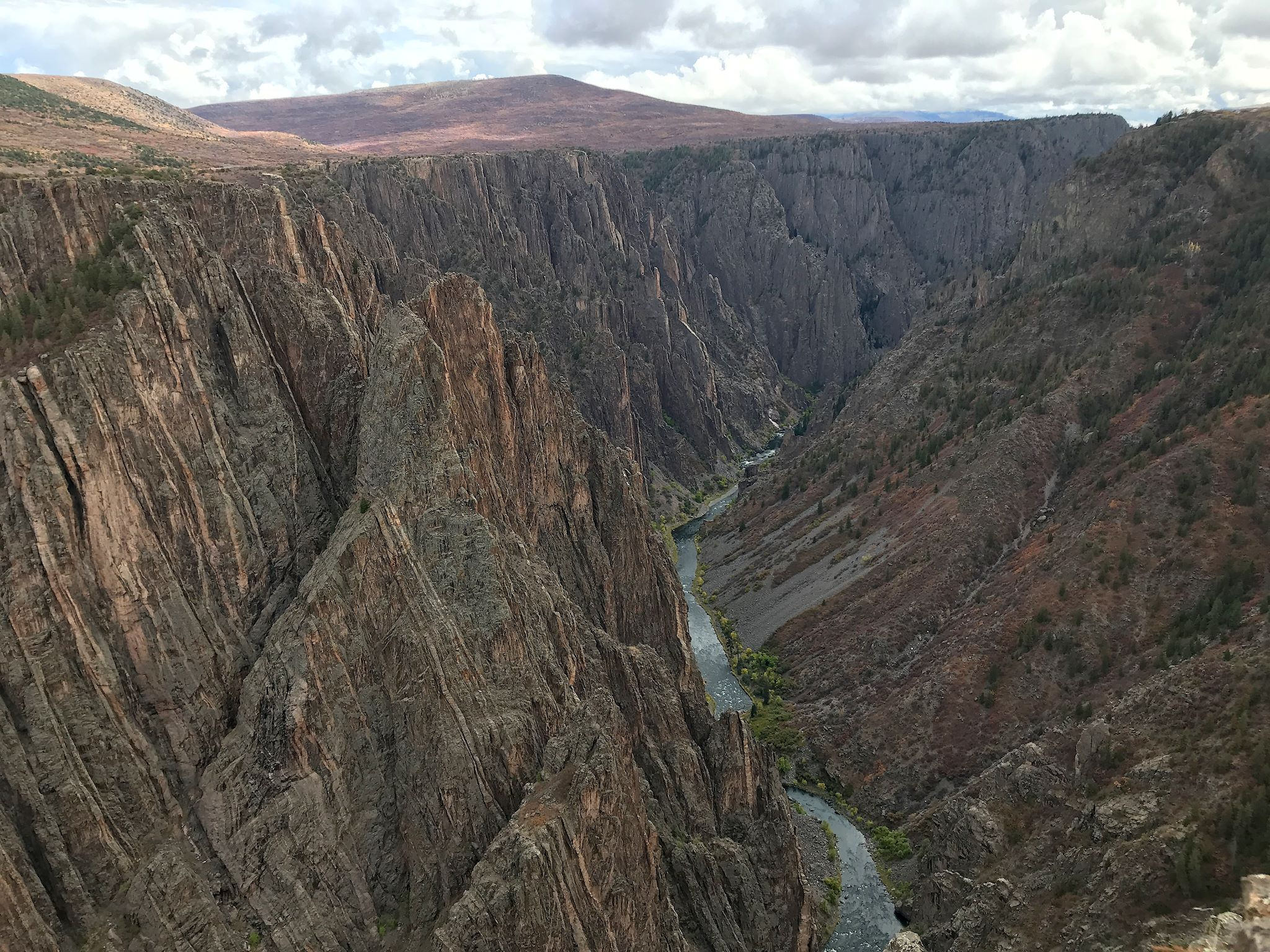
Continuing to follow the Google-Maps-suggested route south towards Telluride brought us within 9 miles of the Black Canyon of the Gunnison National Park. We’ve got time – let’s check it out!
Although it had been a National Monument since 1933, the Black Canyon was designated a National Park in 1999, so it’s one of America’s newest National Parks. Though its walls are, indeed, darker in color than some (we’d just hiked in the pink-walled canyons of Colorado National Monument…), the name actually comes from the limited sunlight that reaches the canyon floor – in some places, only 33 minutes a day – leaving much of the canyon in the shadows most of the time. The park surrounds about 12 miles (25%) of the Gunnison River where it forms one of the longest, narrowest and deepest gorges in the world. The Gunnison has been at work for millions of years creating the steep, narrow, deep V-shaped canyons – the Black Canyon’s tallest cliff (near the Painted Wall) is 2,250 feet and the narrowest point (near Devils Lookout, and surprisingly close to the Painted Wall) is 40 feet.
As we might have anticipated, this National Park is a paradise for technical climbers and boaters; for hiking, not so much…
Continue reading “Black Canyon of the Gunnison National Park”
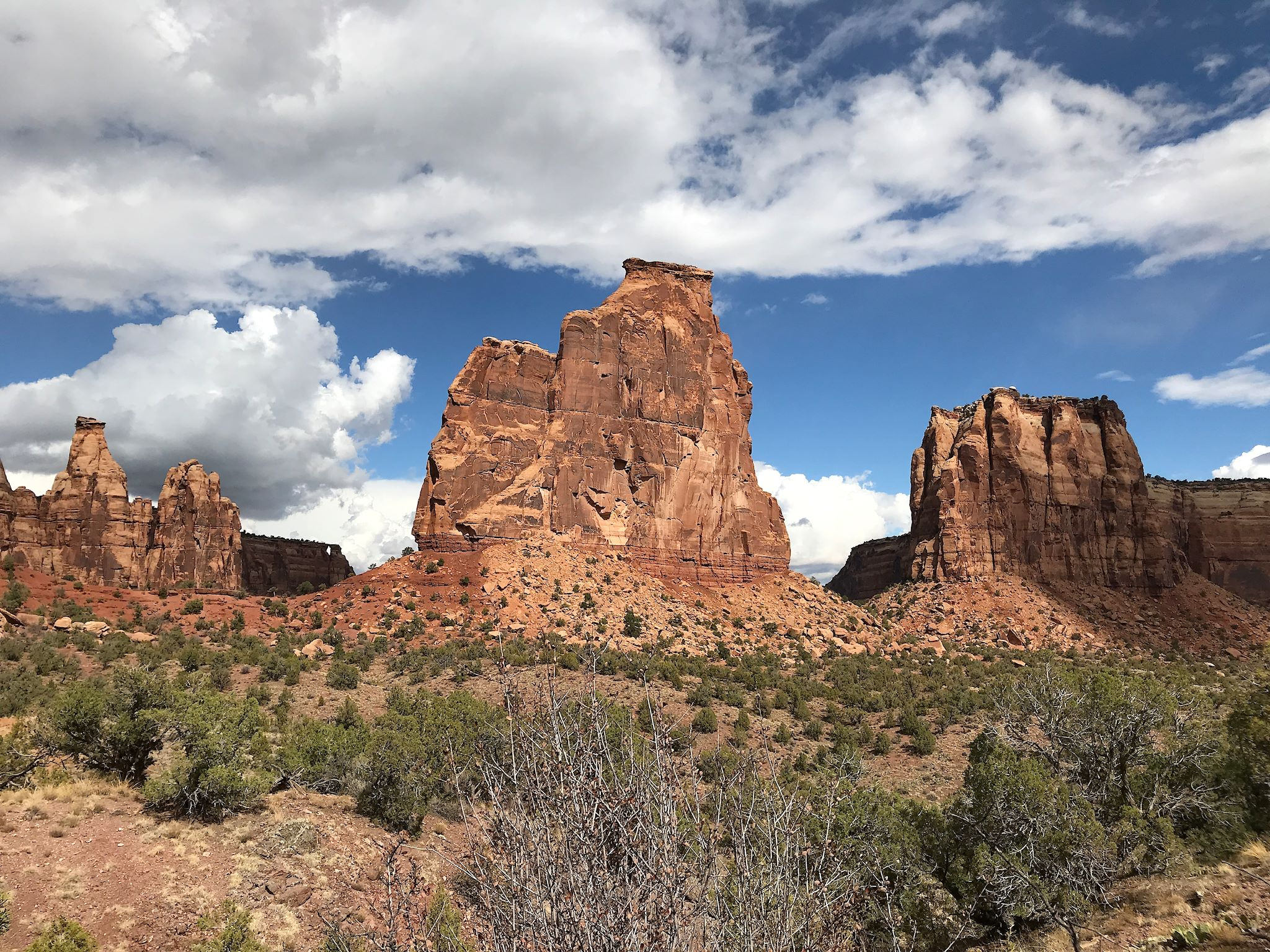
Colorado National Monument is one of the coolest places in Colorado we’d never heard of. It was late afternoon when our Google-Maps-suggested route took us close to this green splotch on the map. Oh, look, the Monument has a campground – so we set a course. Wow!